A 3D render produced for a single purpose — one planning submission, one investor presentation — is an underutilized asset. The same image, produced once, can serve a website hero, a social media campaign, a print brochure, a billboard, a sales center display, and a digital advertising campaign. The economics of rendering change significantly when you plan for multi-channel deployment from the start rather than commissioning renders reactively as each channel need arises.
Understanding how renders are used across marketing channels — and what each channel requires in terms of format, resolution, and visual approach — lets you commission a render package that works for the full campaign rather than discovering format or resolution limitations after the images are already produced.
Website and Digital Content
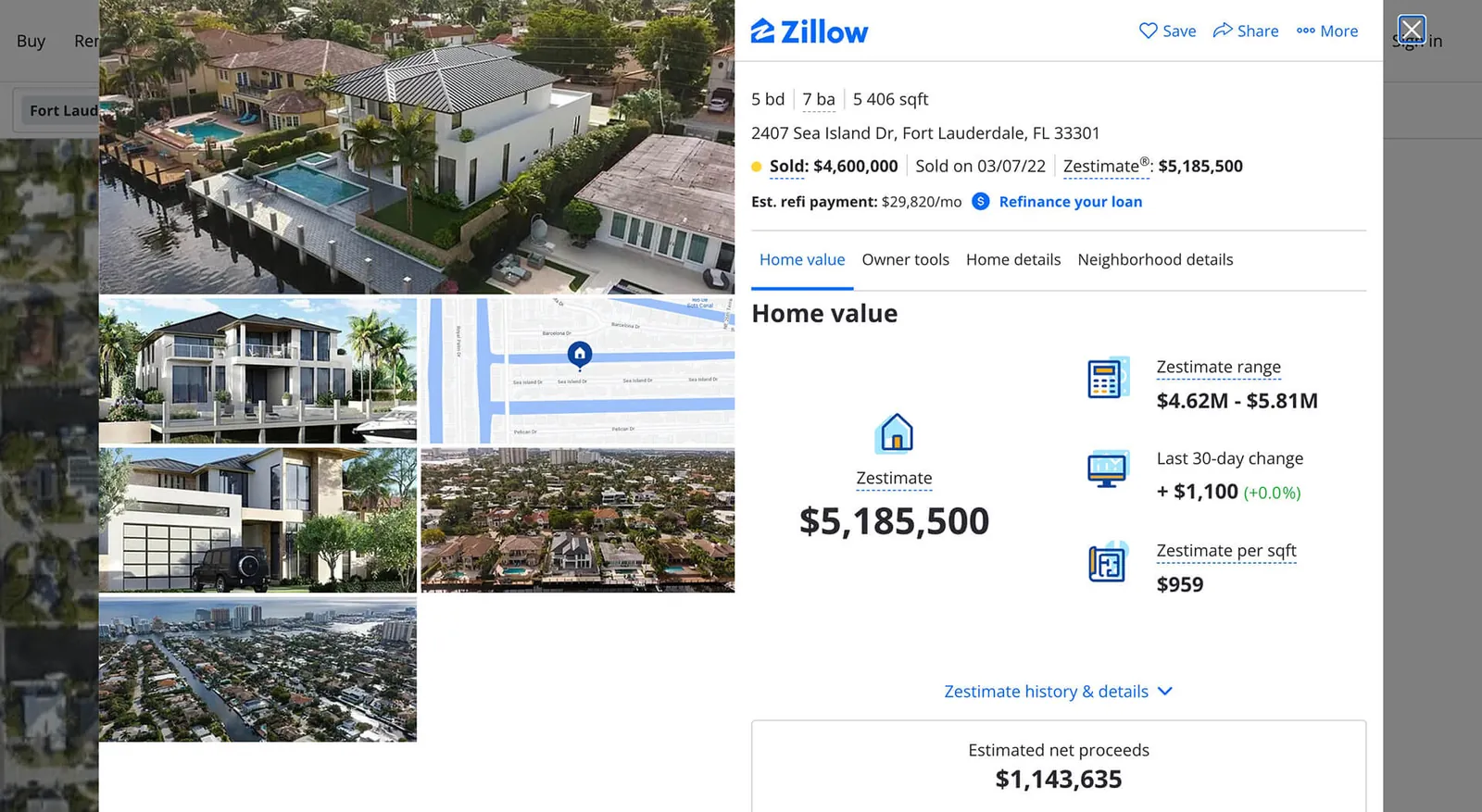
The website is typically the primary deployment channel for architectural renders. For real estate developers, the project website is where prospective buyers, investors, and partners encounter the project for the first time — and the renders are the primary content. For architects and interior designers, portfolio websites are the primary marketing tool for attracting new clients.
For website use, renders need to be delivered in web-optimized JPEG or WebP format at appropriate dimensions for the display context — hero images typically 1920×1080 or wider, gallery images 1200–1600 pixels on the long side. Print-resolution files (300 dpi) are too large for direct web use and need to be processed down; requesting both web and print deliverables from the studio is standard practice.
Project websites for pre-sales developments often use renders as the entire visual content — there's no completed building to photograph, so the renders carry the full visual weight of the site. In this context, the render needs to do the job that photography would do for a completed project: establish the quality level, communicate the lifestyle, and provide the detail that supports a purchase decision. This is a higher bar than a planning submission render or a design development review image.
Social Media Deployment
Architectural renders perform well on Instagram, LinkedIn, and Pinterest — the primary social platforms for real estate and design marketing. The specifications for social media differ from website or print requirements: square or portrait formats (1:1 or 4:5) often outperform landscape formats on Instagram; LinkedIn performs better with landscape imagery that shows the full project context; Pinterest favors vertical imagery that shows spatial depth.
For social media deployment, renders need to be produced with social cropping in mind. A landscape render designed to show a full building facade may lose its subject when cropped to a square social format — the building disappears and the sky fills the frame. Briefing the studio to produce social-ready crops alongside the primary render deliverable — or to compose the primary render with crop options in mind — avoids this limitation.
Twilight and dusk renders consistently outperform daytime renders on social media platforms, generating higher engagement rates. The golden hour light, city lights, and atmospheric quality of dusk imagery performs better in social feeds than neutral daytime renders. For a campaign that includes social deployment, including at least one dusk render in the package is worth the investment. See our article on twilight rendering for a full discussion of dusk and night renders.
Print and Collateral
Brochures, prospectus documents, project marketing packs, and large-format print (banners, billboards, hoarding) all require print-resolution renders — typically 300 dpi at the intended print size. A render produced for web use at 1920×1080 at 72 dpi is equivalent to approximately 6.4 inches wide at 300 dpi — too small for an A3 brochure spread or a construction hoarding panel.
For print campaigns, specify the final print size and resolution requirements when briefing the render. A render intended to run full-bleed on an A2 brochure page needs to be produced at approximately 4960×7016 pixels. A 6-meter-wide construction hoarding panel needs render output at approximately 10,000+ pixels wide. These are substantially larger files than standard web renders and may affect production time and file handling.
Construction site hoarding — the temporary fencing and boarding around a construction site — is an effective and underutilized marketing placements for development projects. A photorealistic exterior render of the proposed development, printed on the hoarding at life size or near life size, turns a construction nuisance into a marketing billboard visible to everyone who passes the site. The render format for hoarding is large-scale print at lower dpi than document printing — typically 50–100 dpi at final print size — because viewing distance is much greater.
Sales Centers and Physical Displays
For developments with physical sales centers — whether temporary marketing suites, permanent sales offices, or model unit suites — renders are typically displayed as large-format prints, backlit displays, or digital screens. The format requirements vary:
- Large-format prints — produced at the correct output resolution for the intended print size, typically matte or luster finish
- Backlit displays — lightbox-mounted transparencies or edge-lit prints, requiring specific file treatment for the lightbox effect
- Digital screen displays — 4K screen resolution (3840×2160) for premium installations, 1080p for standard screens; rendered in the correct aspect ratio for the specific screen
- Interactive digital touchscreens — renders plus interactive floor plan data, delivered in a format compatible with the touchscreen software platform
For sales centers, the full visual package — renders, floor plans, site plans, amenity graphics — needs to be produced as a cohesive visual system with consistent color grading and presentation style. Commissioning the renders and 2D graphics from the same studio ensures visual consistency across the sales center collateral.
Digital Advertising
Digital advertising — Google Display Network, social media advertising, programmatic display — uses renders as the primary creative asset for real estate campaigns. The format requirements for digital ads are more constrained than website or print: standard IAB ad sizes (300×250, 728×90, 160×600, etc.) require the render to work when cropped and scaled to small dimensions.
For digital ad campaigns, the hero render needs to be composed to work as a thumbnail — the most important visual element (the building facade, a key interior view) needs to be legible at 300×250 pixels. Renders with lots of sky and landscape at the edges work well at scale; renders with important details distributed across the full frame lose legibility when scaled down.
Our exterior rendering and interior rendering services both include delivery in multiple formats for multi-channel deployment. Full pricing, including file format options, is on our pricing page.
Planning a Multi-Channel Render Package
The most cost-effective approach is to plan the full deployment channel list before commissioning the renders, so that production specifications cover all intended uses. Producing renders at print resolution and cropping for web/social use is more efficient than producing web renders and then needing to re-render at higher resolution for print.
A multi-channel deployment brief should specify: the primary deliverable format and size, all secondary formats needed (web JPEG, social crops, print TIFF), the intended social platforms and their format requirements, the print sizes for any planned print collateral, and the screen sizes for any planned digital screen displays. For a full discussion of render file formats and delivery specifications, see our article on rendering file formats.
Building a Marketing Campaign?
Share your channel list and brief — we'll produce a render package with all the formats your campaign requires.
Request a Marketing Package Quote