Render Types
How Interior 3D Rendering Helps Architects Win More Clients
The business case for interior visualization — how renders replace lengthy presentations and close projects faster.
Practical articles on 3D visualization for architects, interior designers, and real estate developers.
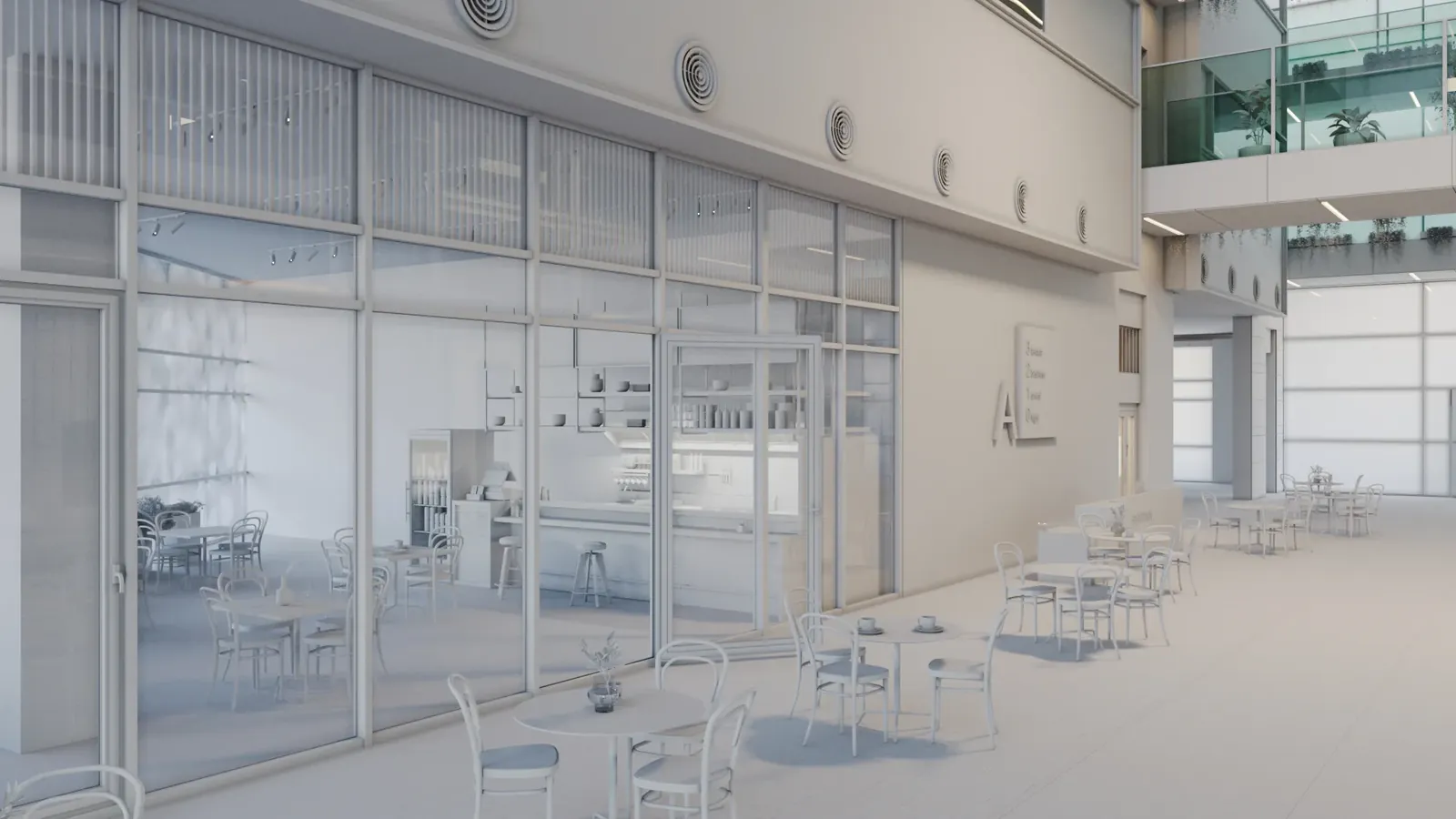
The business case for interior visualization — how renders replace lengthy presentations and close projects faster.

How to use exterior 3D renders for pre-sales, permit applications, and investor presentations.

Everything you need to know about 3D floor plans — what they include, when to use them, and how to brief a studio.
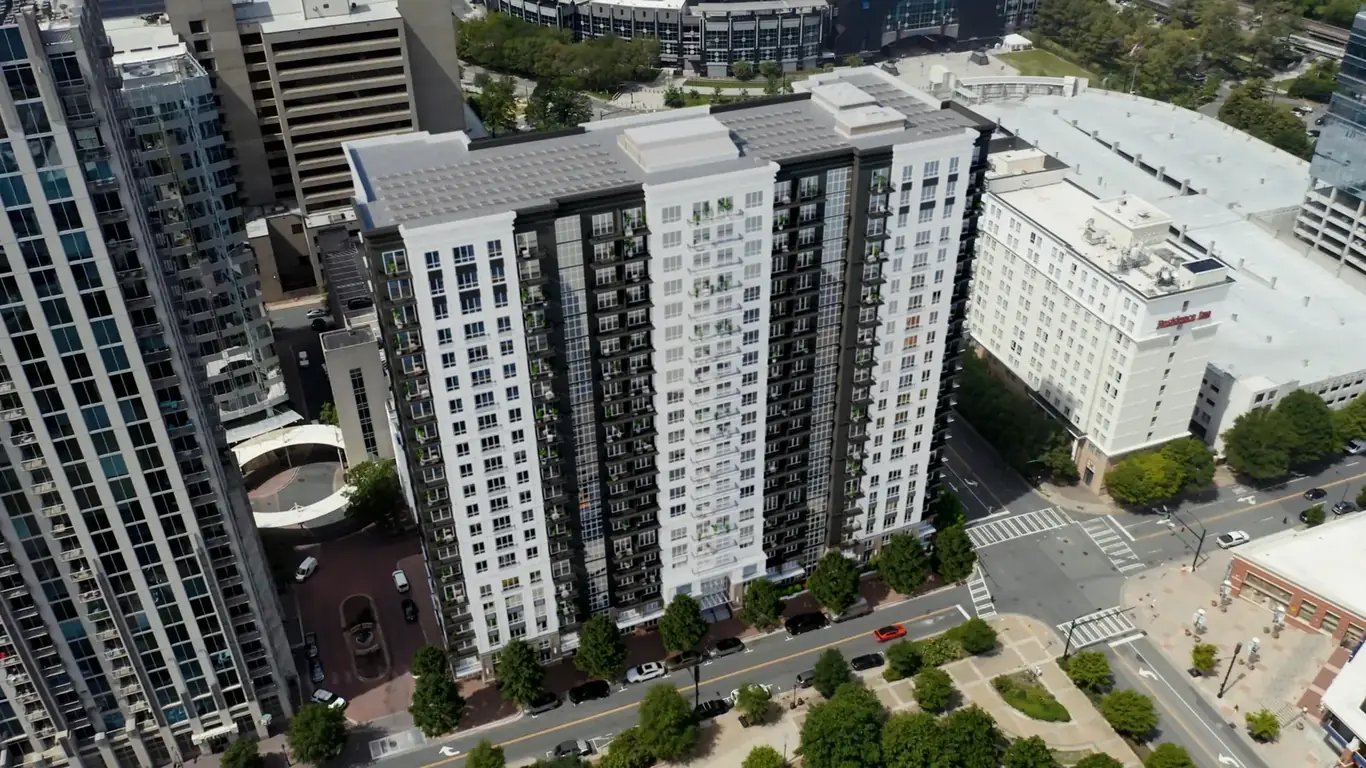
CGI aerial renders vs. drone photography — a practical comparison of cost, timing, flexibility, and the best use cases for each.
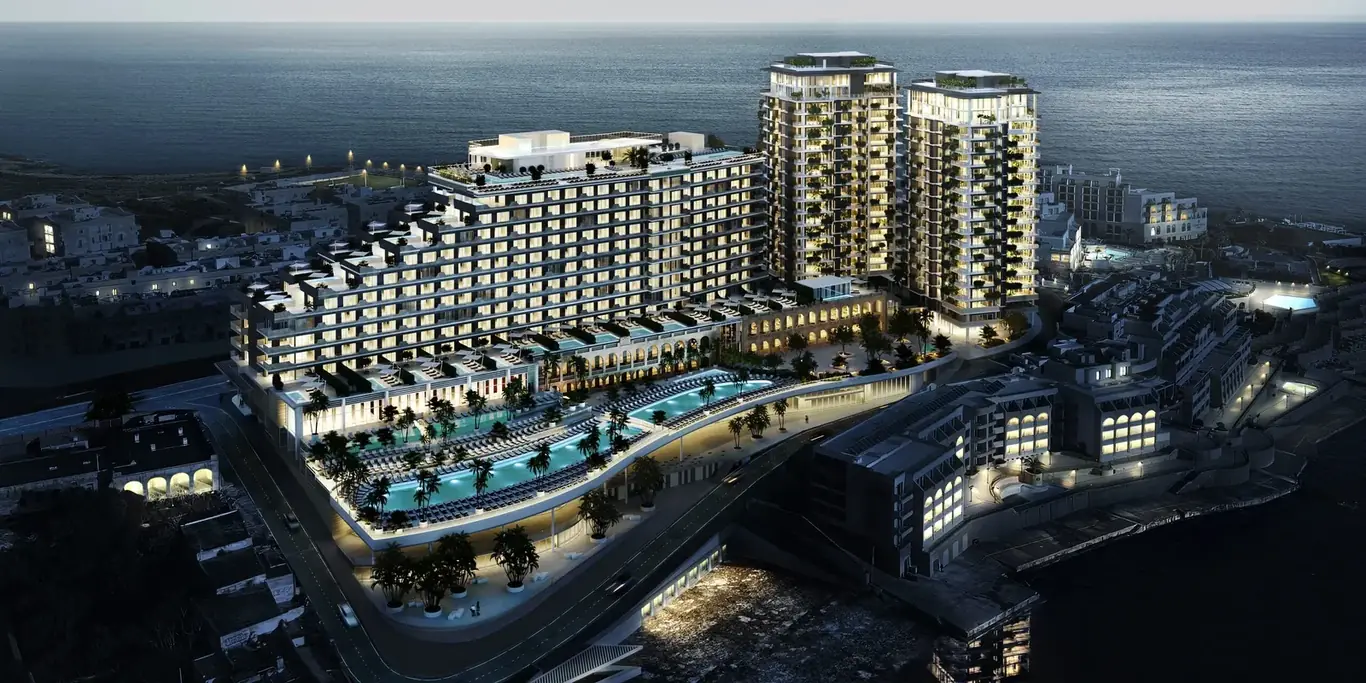
Not every project needs a render — but some situations make the ROI obvious. Here are 5 clear indicators.

The psychology of visualization in sales — why photorealistic renders close deals that mood boards and 2D drawings cannot.
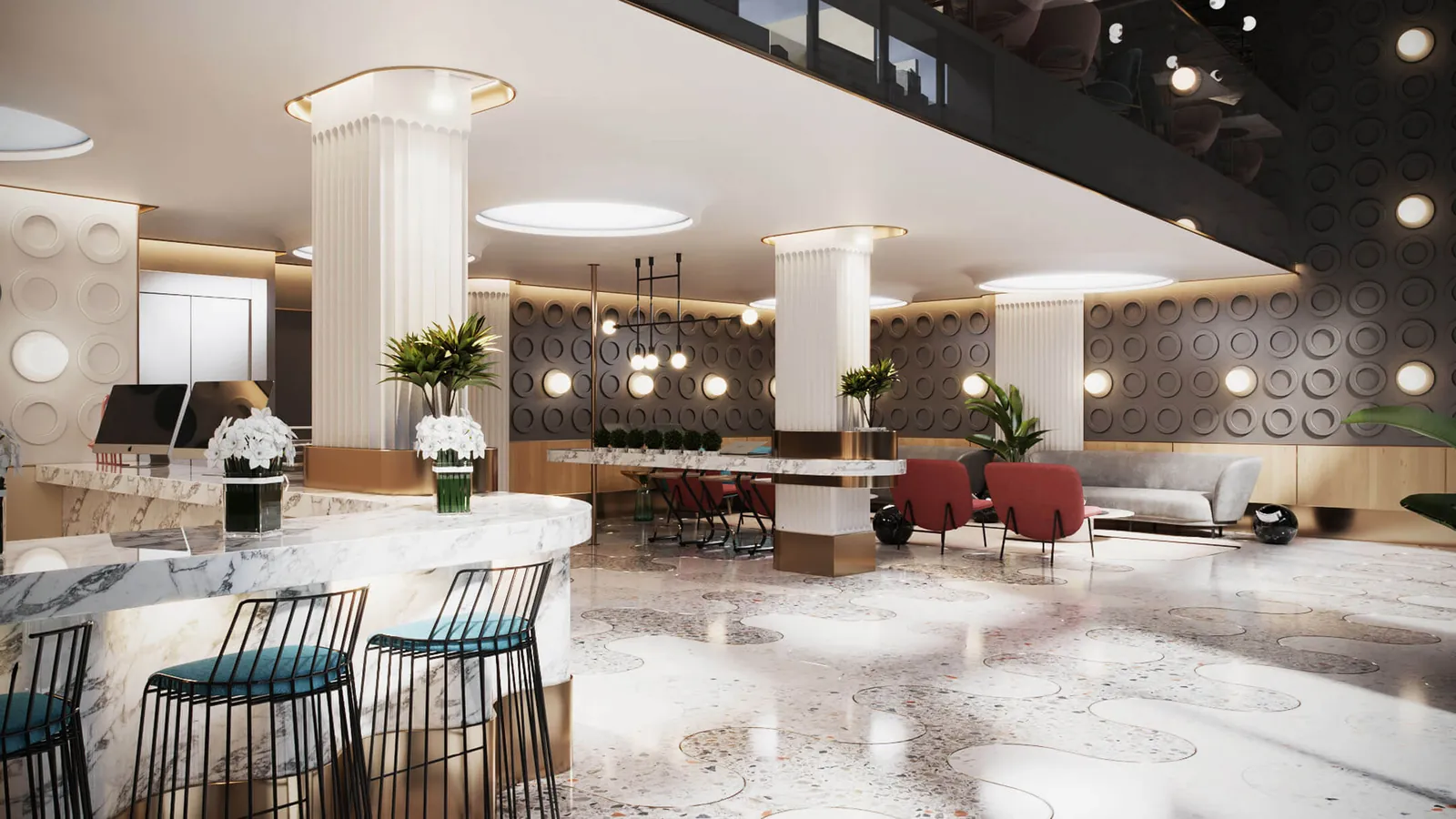
A practical guide to choosing the right visualization type for different purposes, audiences, and project stages.

A clear walkthrough of the full rendering project process — from initial brief through revisions, final delivery, and file formats.
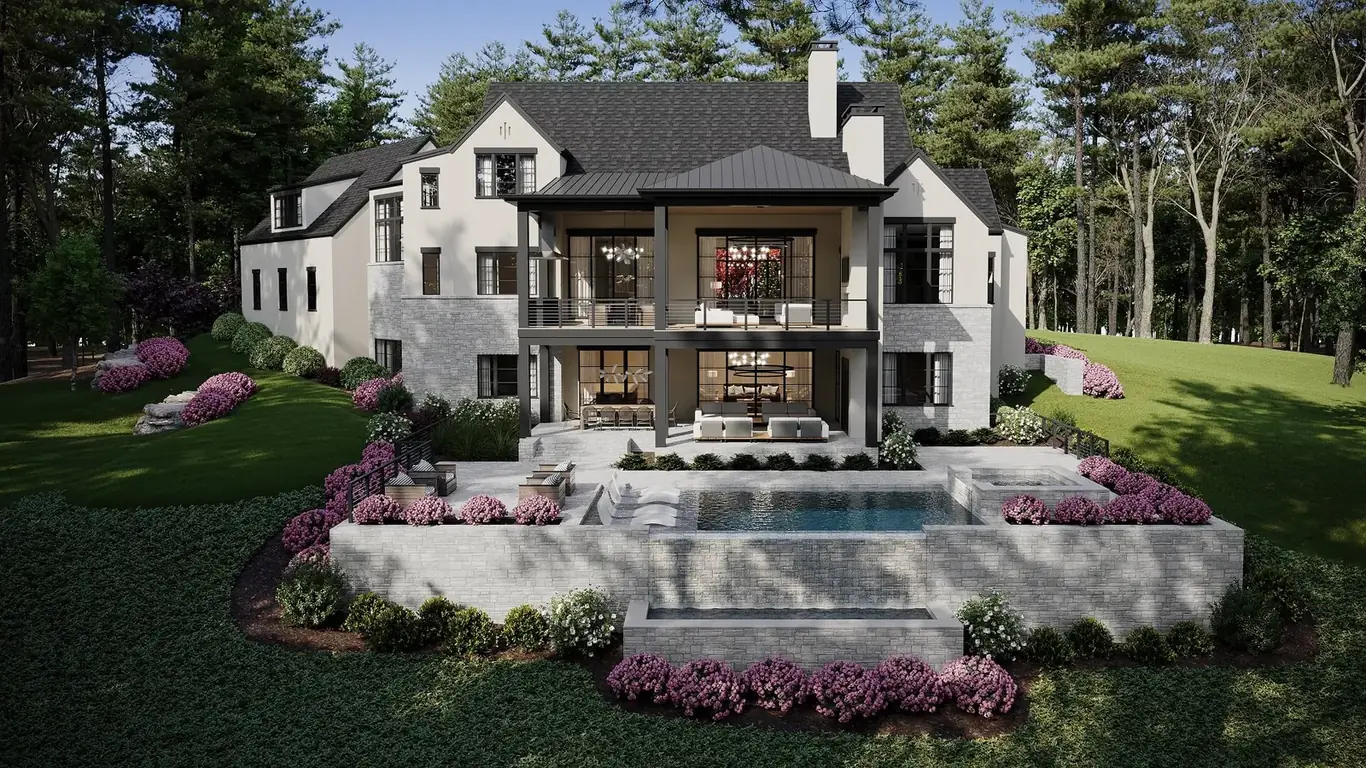
What to include in a rendering brief — files, views, materials, references, and timeline — so your project runs on time.
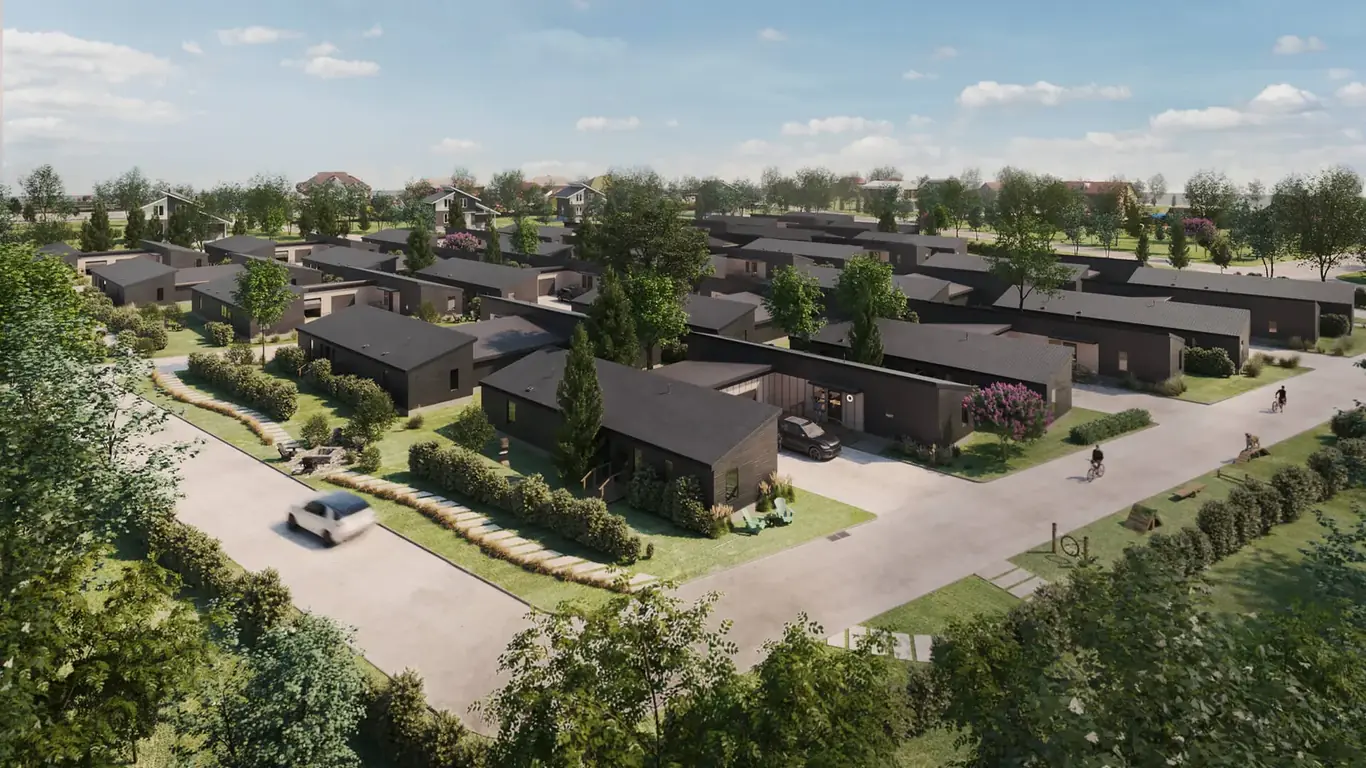
How developers use 3D visualization to accelerate pre-sales, build marketing campaigns, and improve ROI on real estate projects.

How goals, audiences, technical requirements, and visual priorities differ between commercial and residential visualization.

An honest comparison of 3D rendering and architectural photography — cost, control, timing, and the best use cases for each.
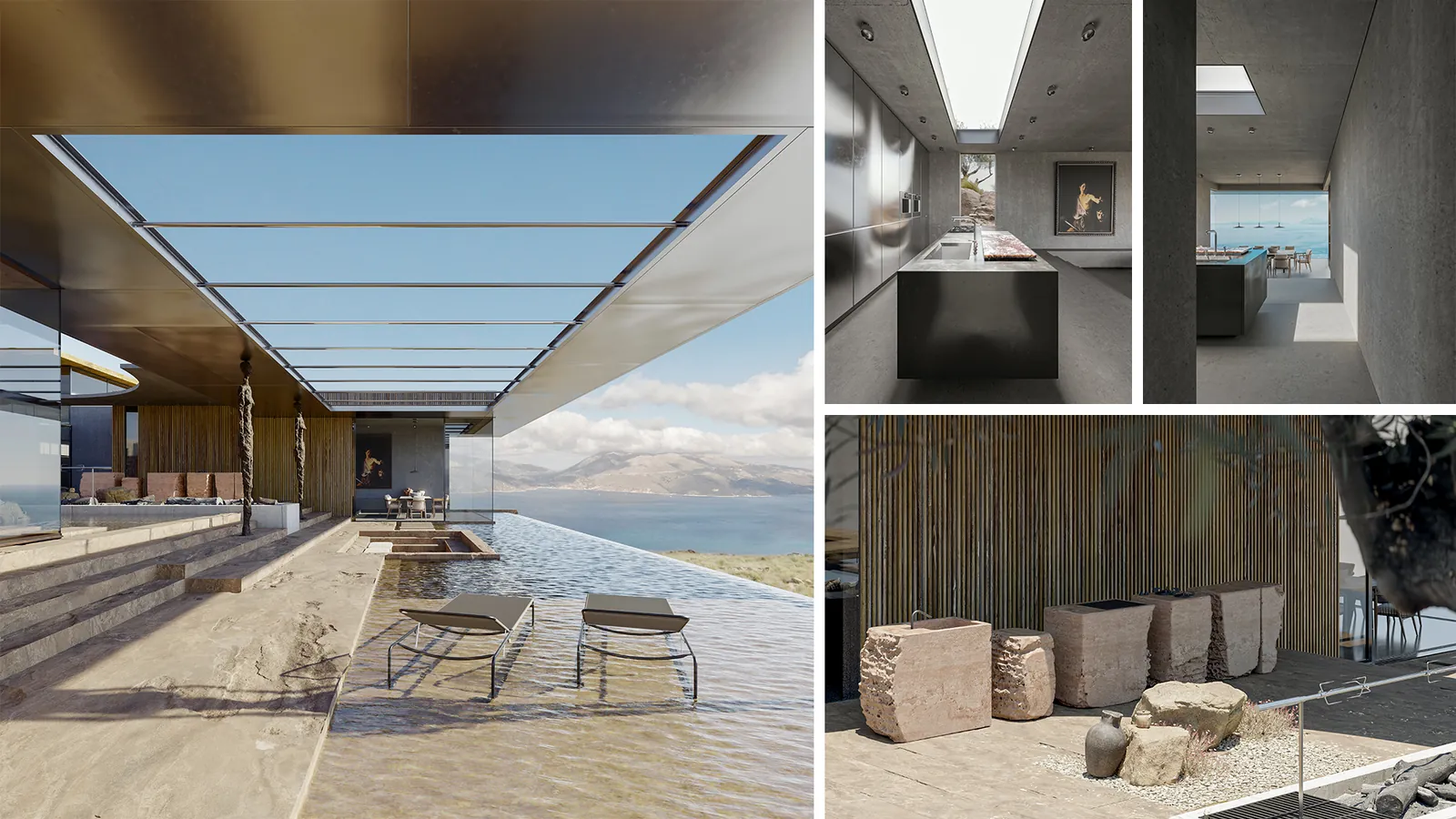
A practical breakdown of what drives rendering pricing — number of views, complexity, timeline, and what you're actually paying for.
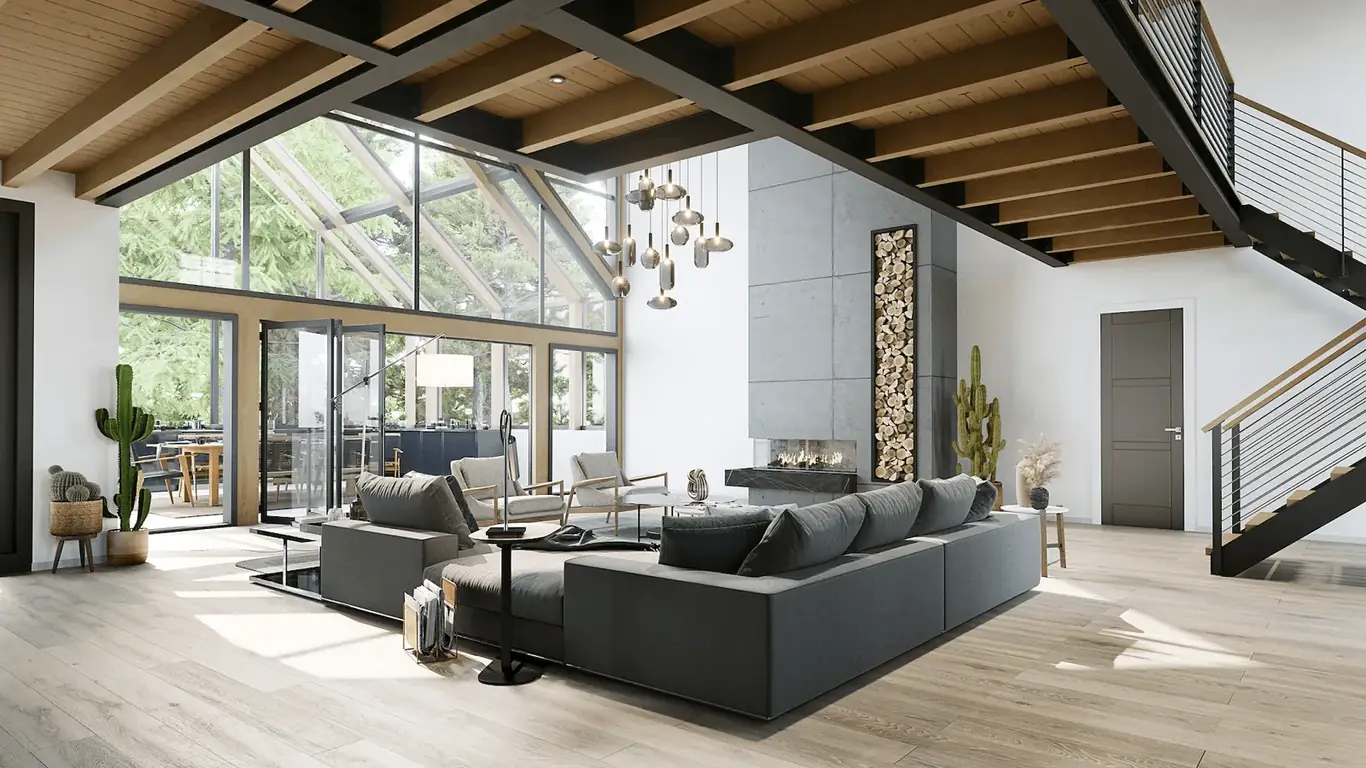
How interior designers use photorealistic renders to close proposals, align clients on finishes, and eliminate costly late-stage changes.

How hospitality projects use visualization for investor decks, brand approvals, planning submissions, and pre-opening marketing.
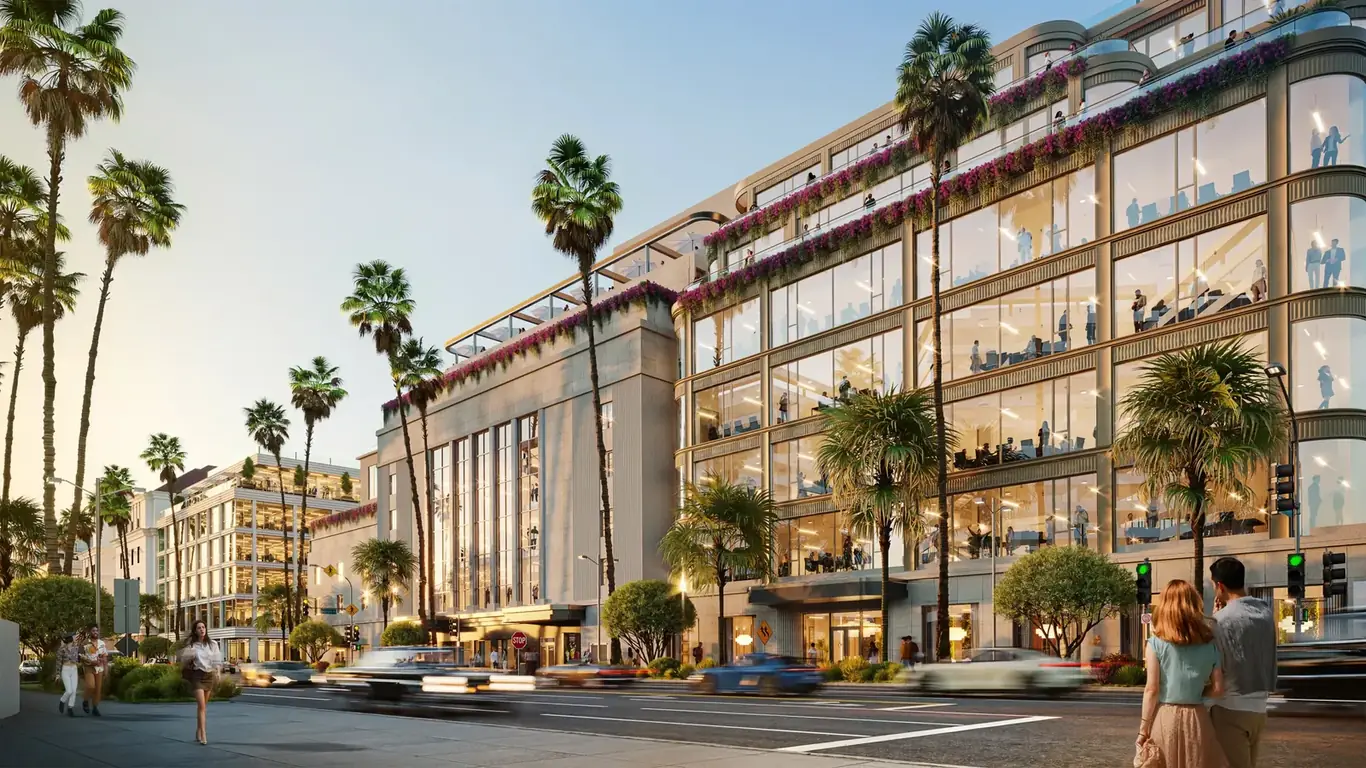
What planning boards actually need from visualization — required views, photomontage, accuracy standards, and how to time your submission.

What separates premium visualization from standard work — material precision, lighting art direction, landscaping, and view selection for high-end homes.
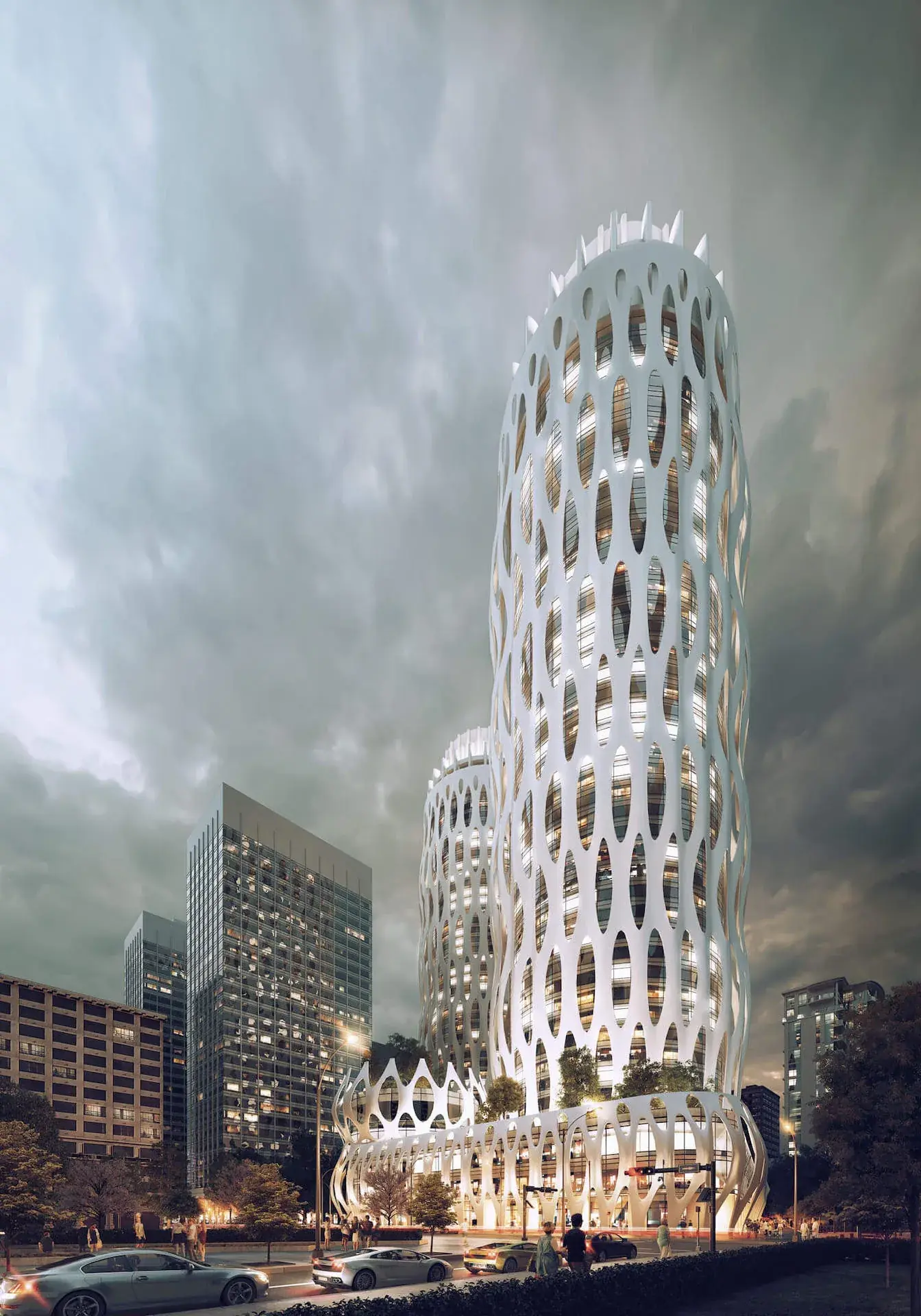
Portfolio quality, revision policy, turnaround honesty, IP terms — the criteria that actually predict whether a studio will deliver.
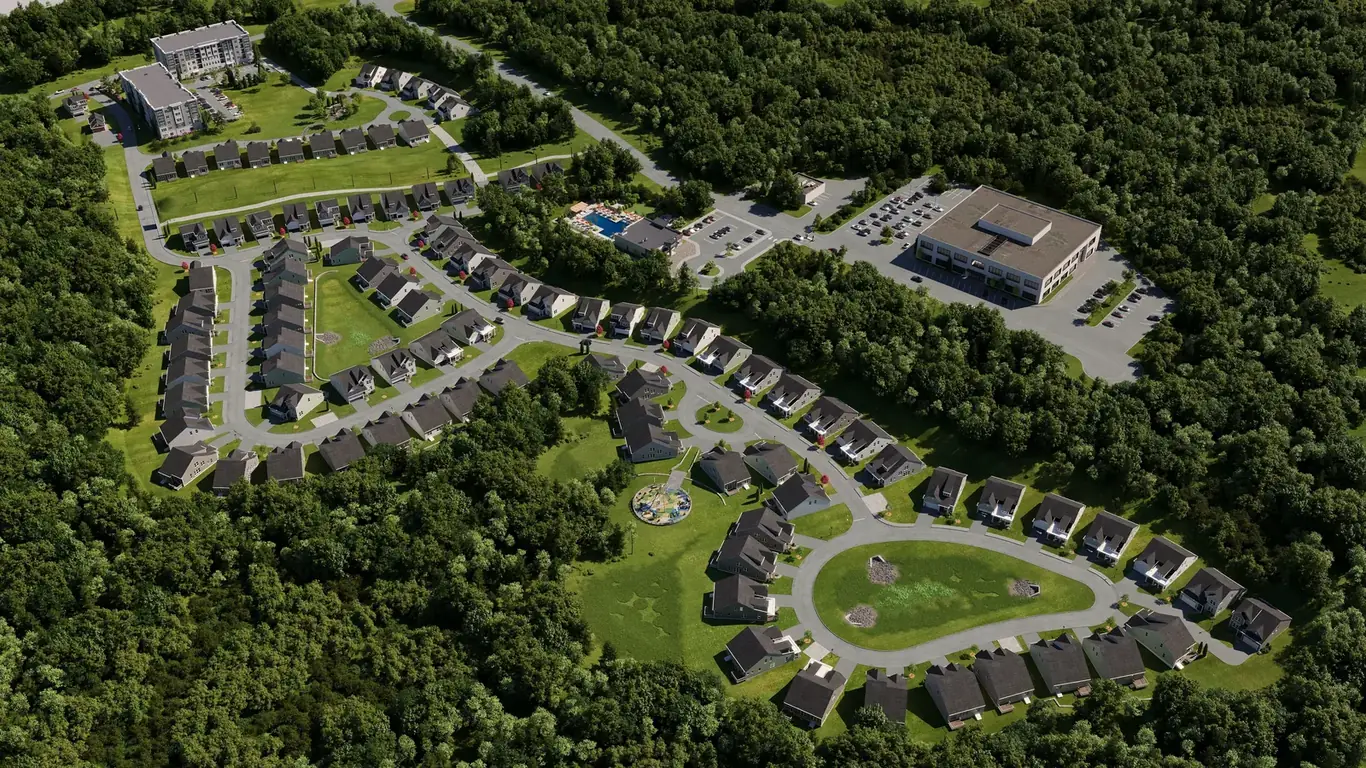
How multifamily developers plan visualization across entitlement, investor pitches, and pre-sales — with pricing and view strategy.
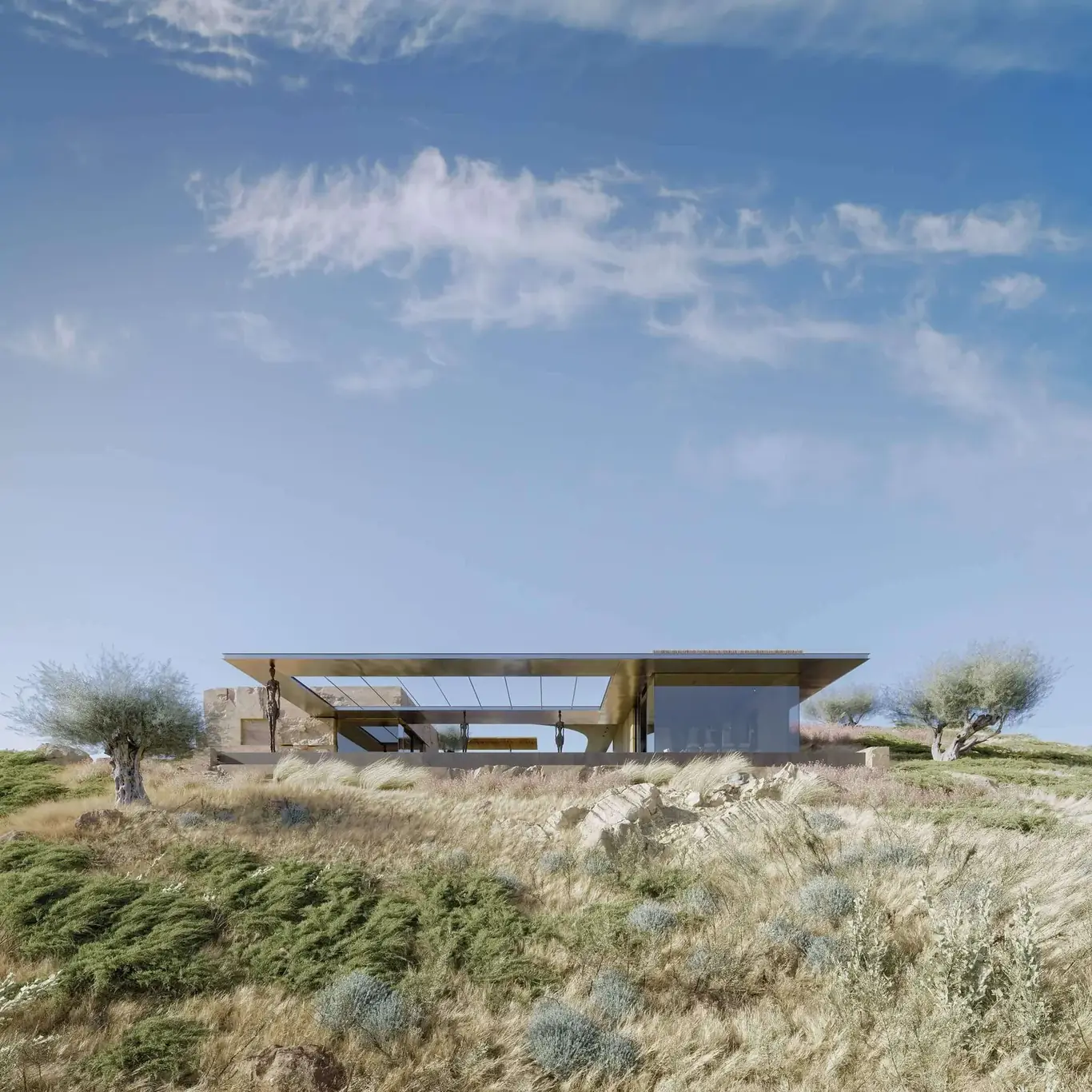
What renders to commission for custom homes, spec builds, and renovations — including why twilight renders outperform daytime.
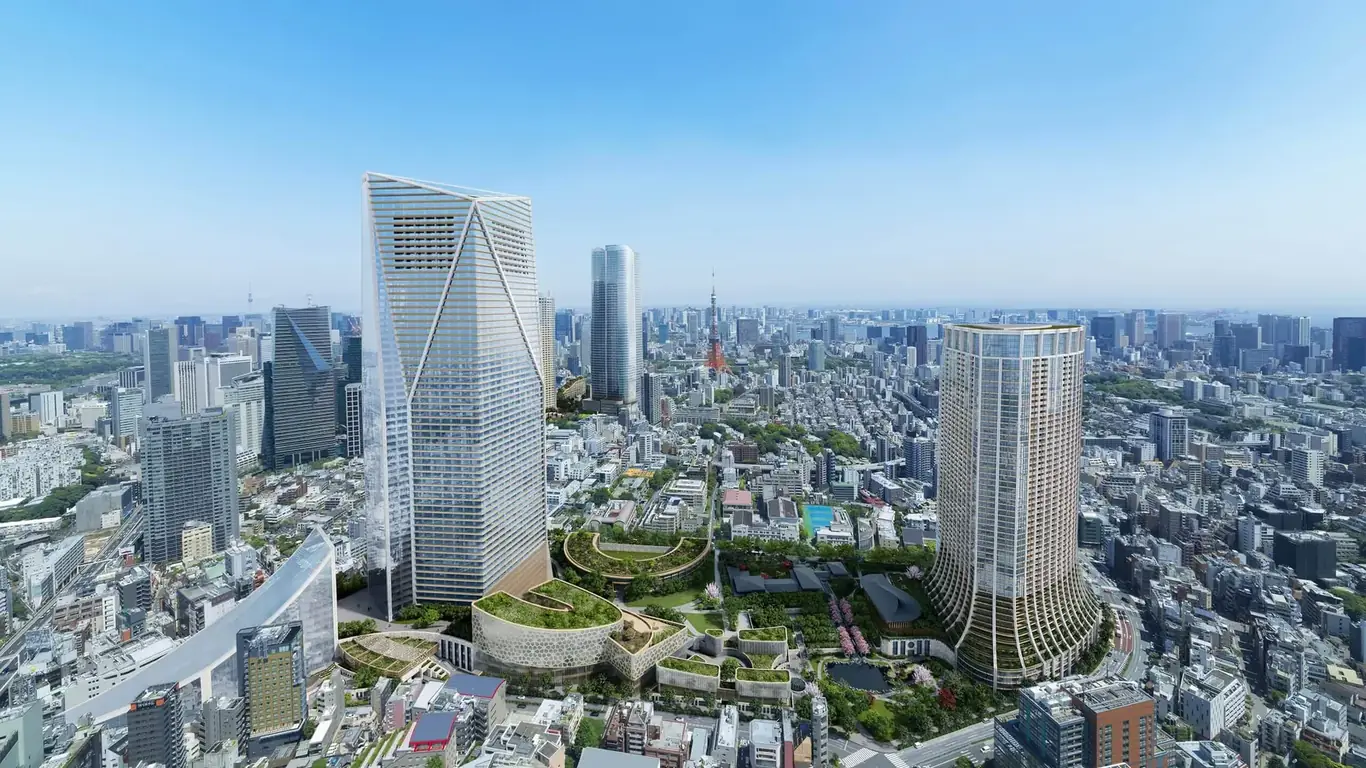
Speculative office, owner-occupied headquarters, and tenant fit-out each require a different visualization strategy. Here's how to approach each.

How restaurant designers and operators use visualization for investor pitches, franchise approvals, and pre-opening marketing — with pricing.
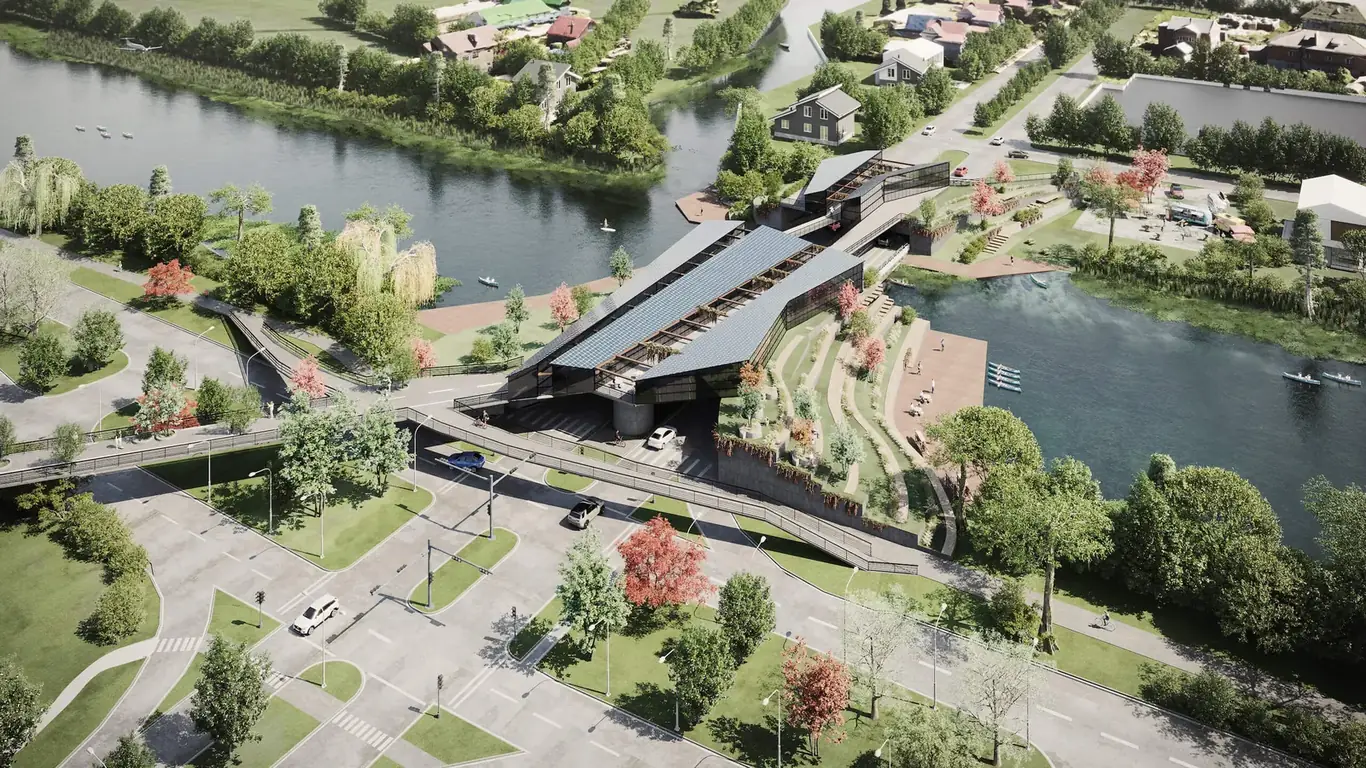
How to build a visualization strategy that serves planning boards, investors, retail tenants, and residential buyers simultaneously.
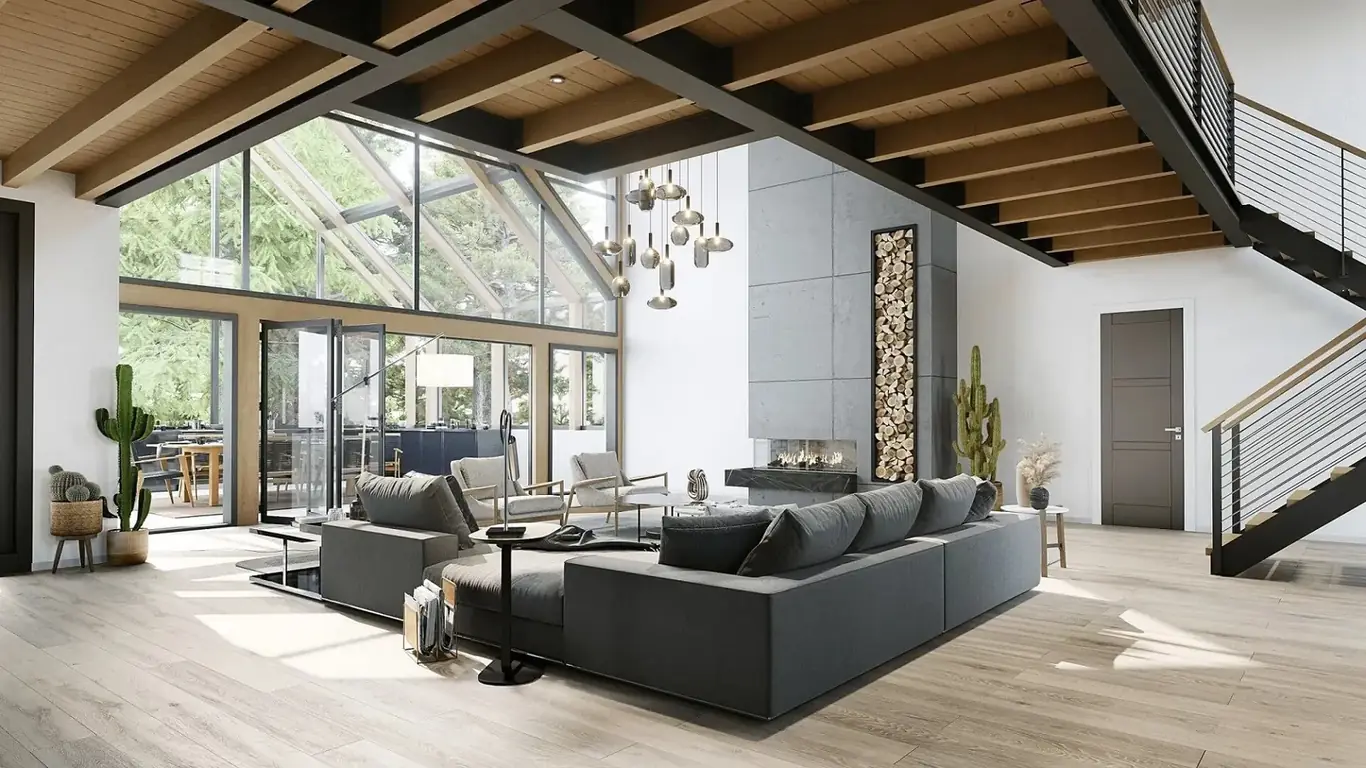
They're not interchangeable — virtual staging needs a real space, 3D rendering builds from drawings. Here's the full breakdown.
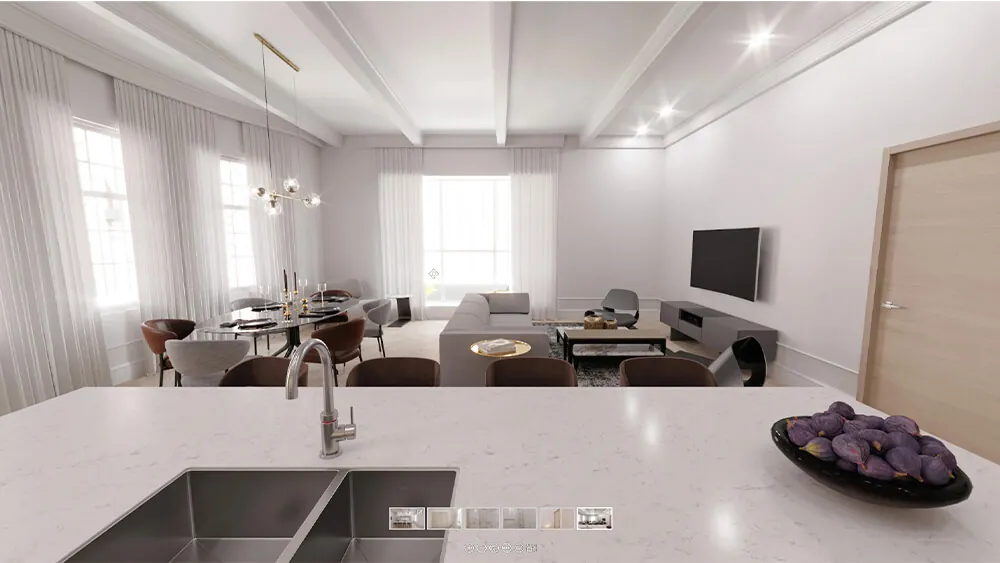
Why visualizing the finished renovation before demolition starts is the best investment in a major remodel — and how to brief it.
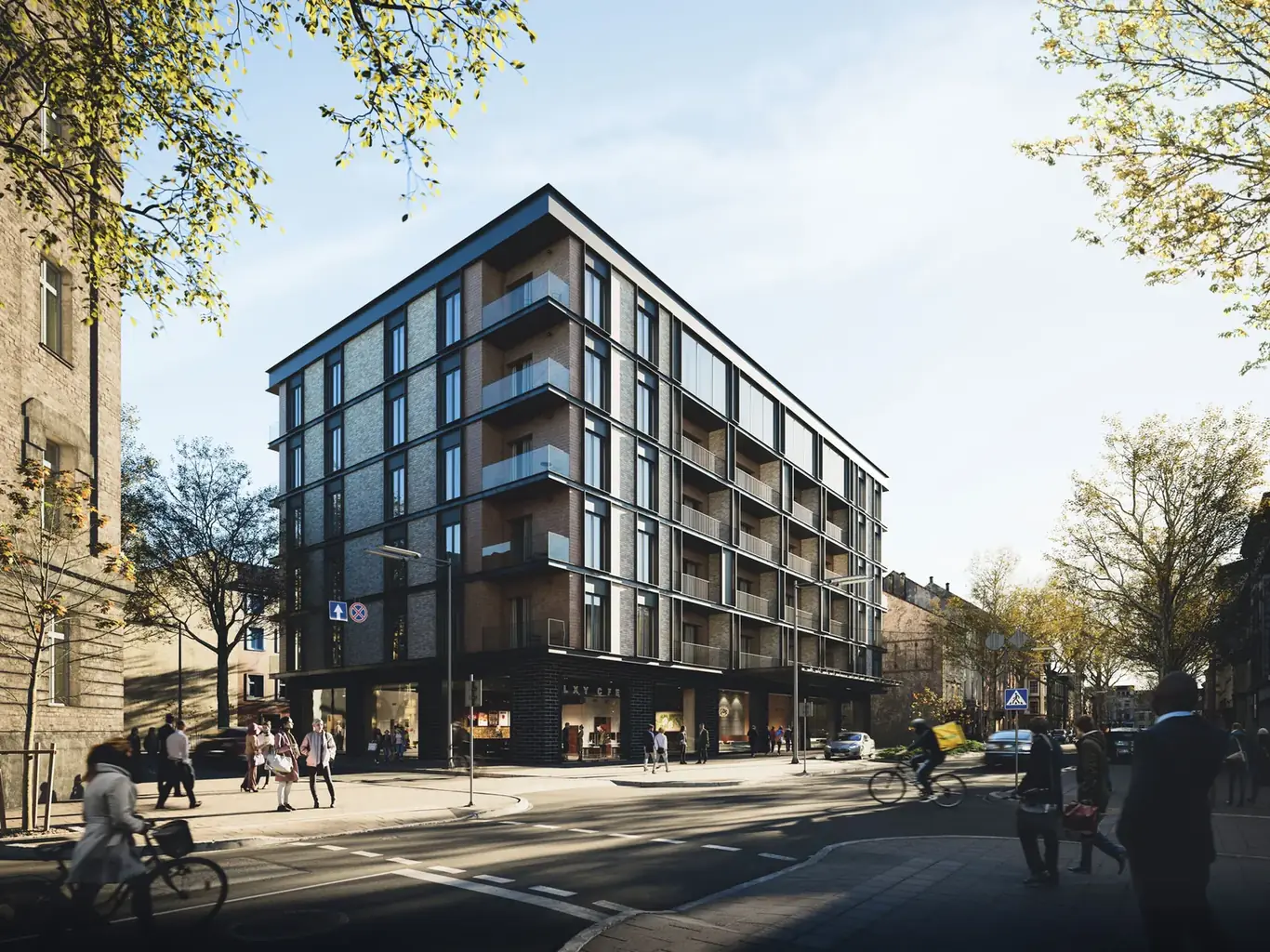
Four calculable return mechanisms — pre-sales acceleration, change order avoidance, planning speed, and investor confidence.
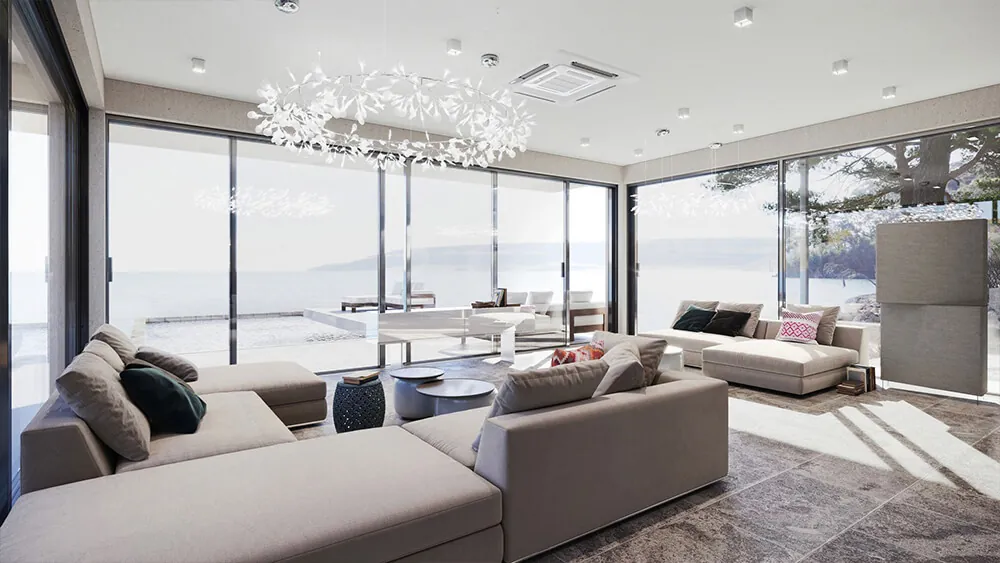
How visualization strategy determines whether a pre-sales campaign hits its targets before groundbreaking — package contents and timing.
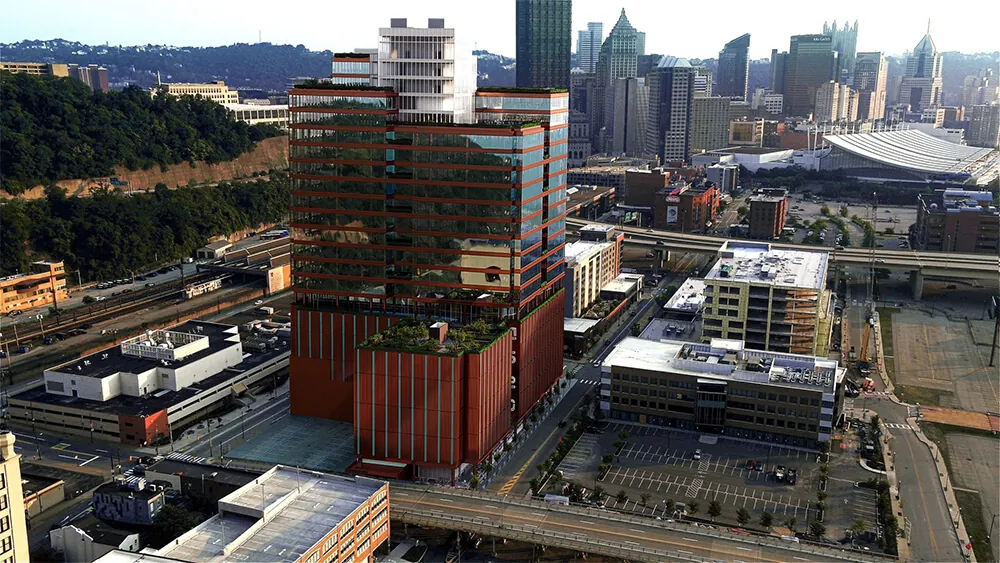
Walkthrough vs. flythrough, the production pipeline, pricing, and when animation beats static renders.

How 360 tours work, linked panoramas vs. real-time VR, pricing, and when to use them vs. animation.
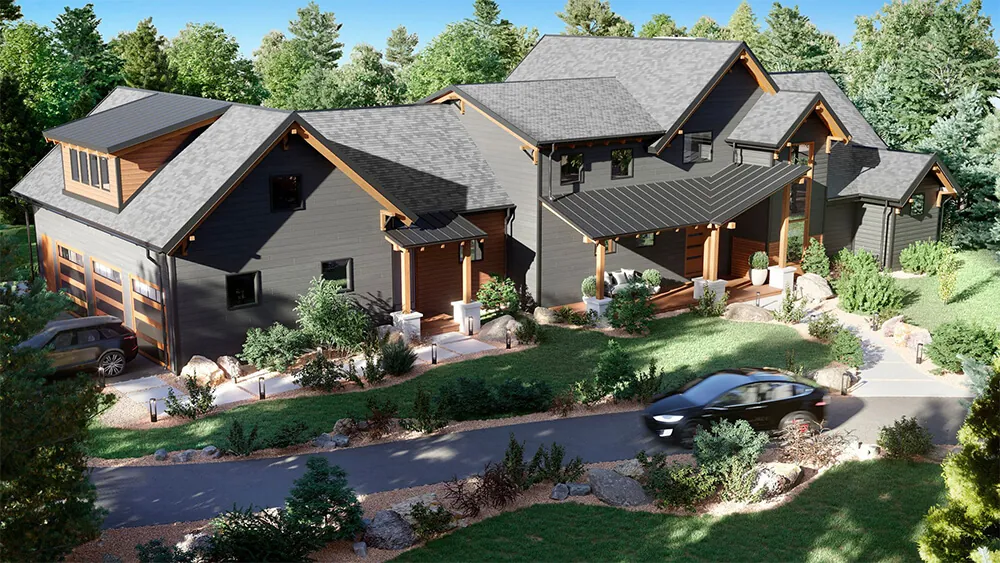
The blue hour, dusk renders, and when twilight outperforms daytime exterior renders in marketing.

Which views to order for a townhouse development, interior strategy, and how to show a row of attached homes.
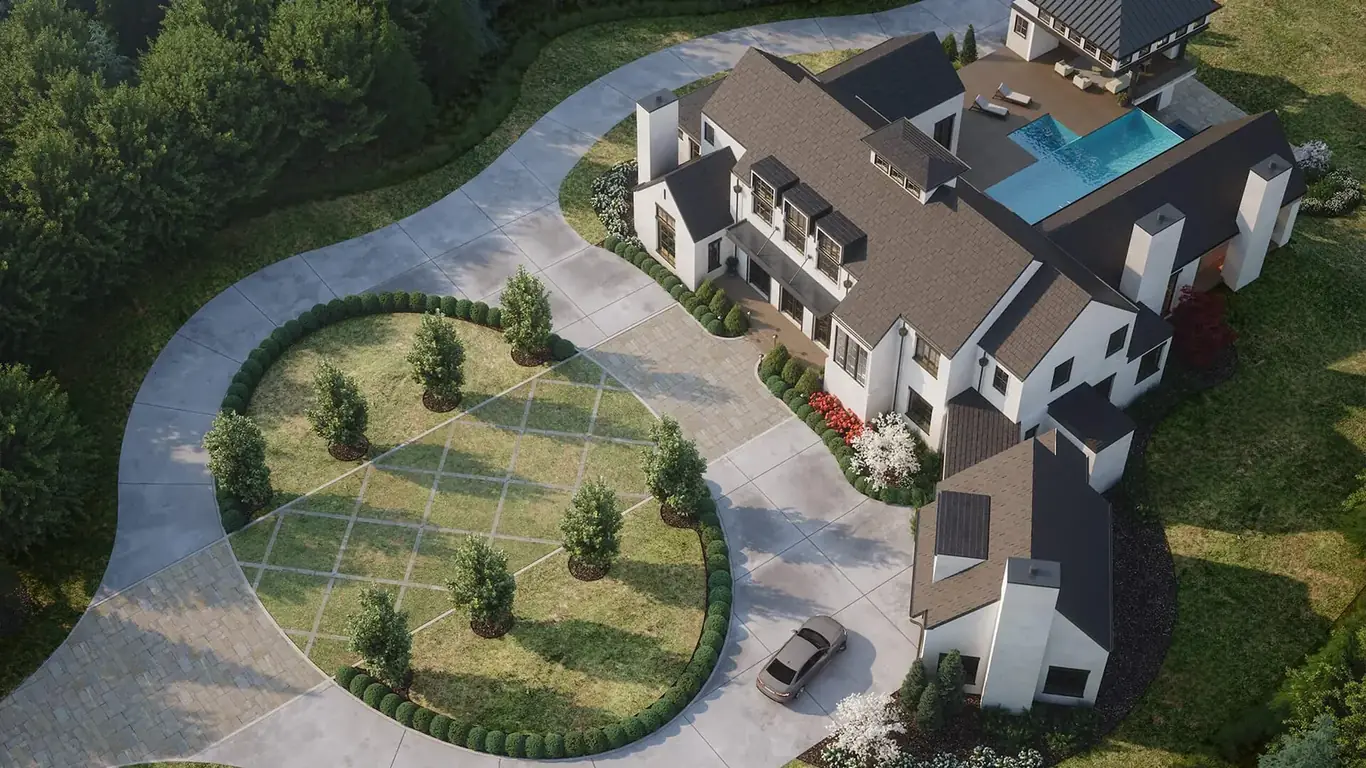
How retailers use visualization for layout testing, leasing applications, and pre-opening marketing.
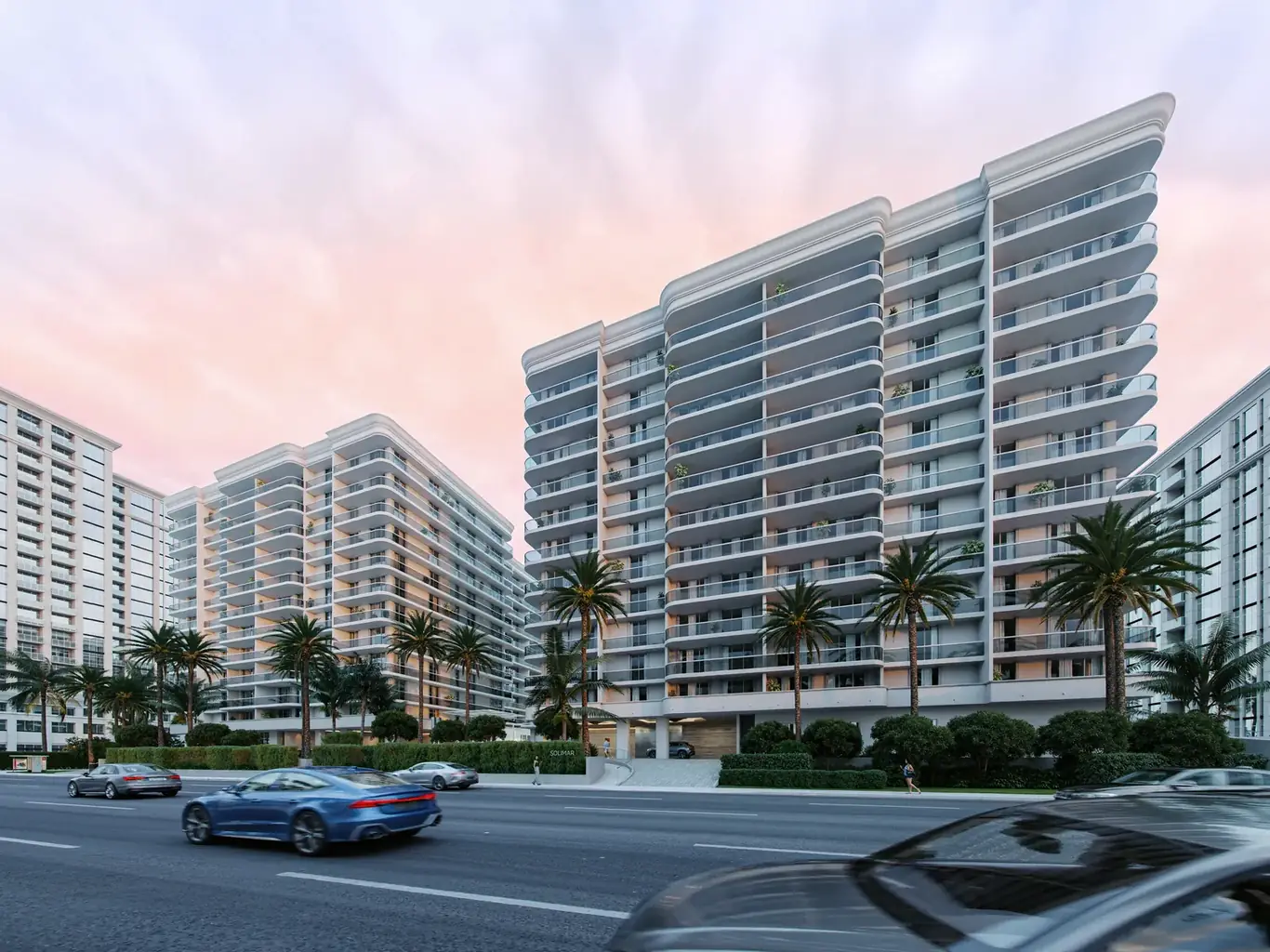
Key spaces to render, stakeholder-specific approaches, and what makes medical facility rendering unique.
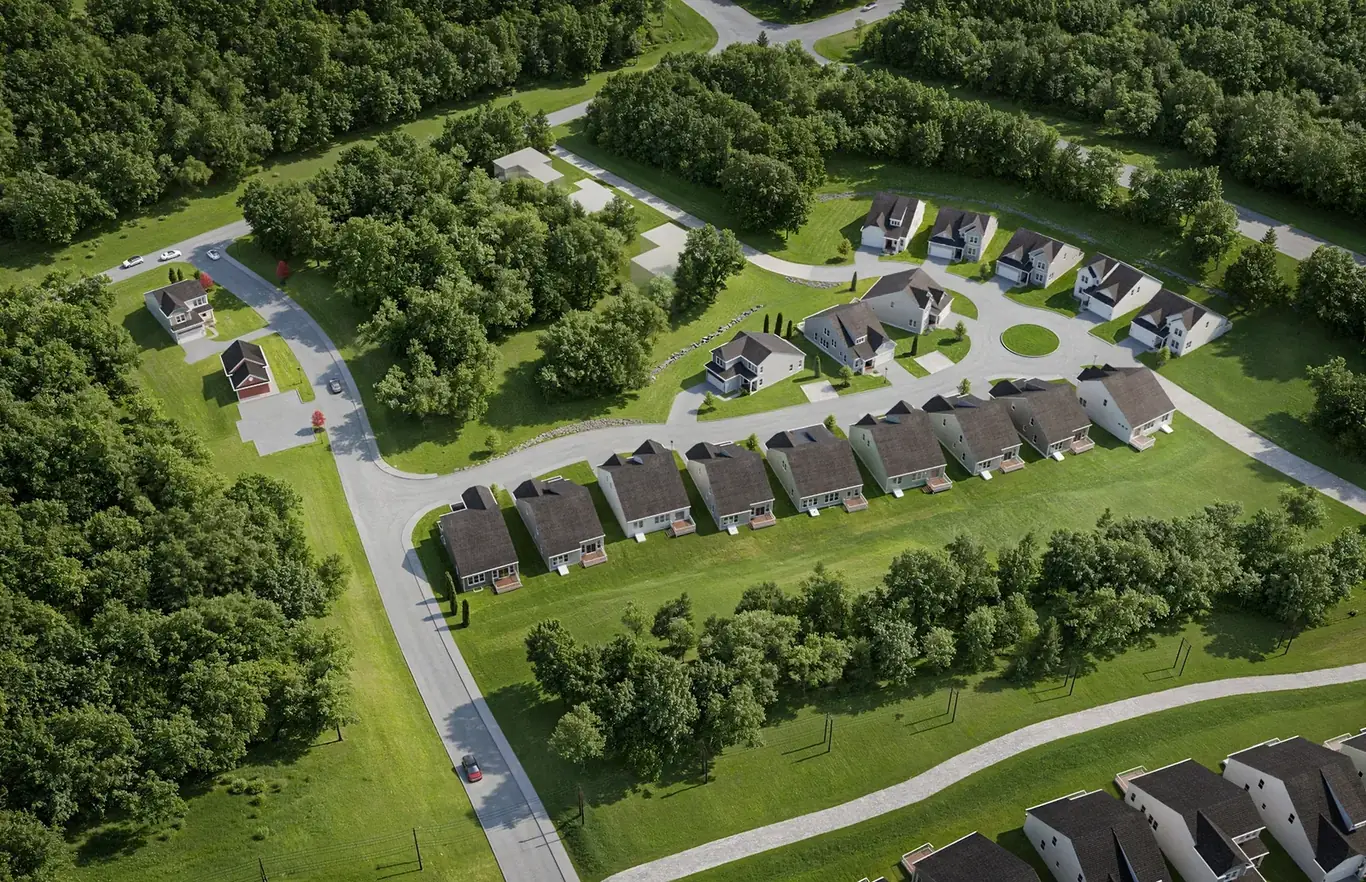
Which views matter for bond campaigns, donor programs, and community engagement — phasing and pricing.
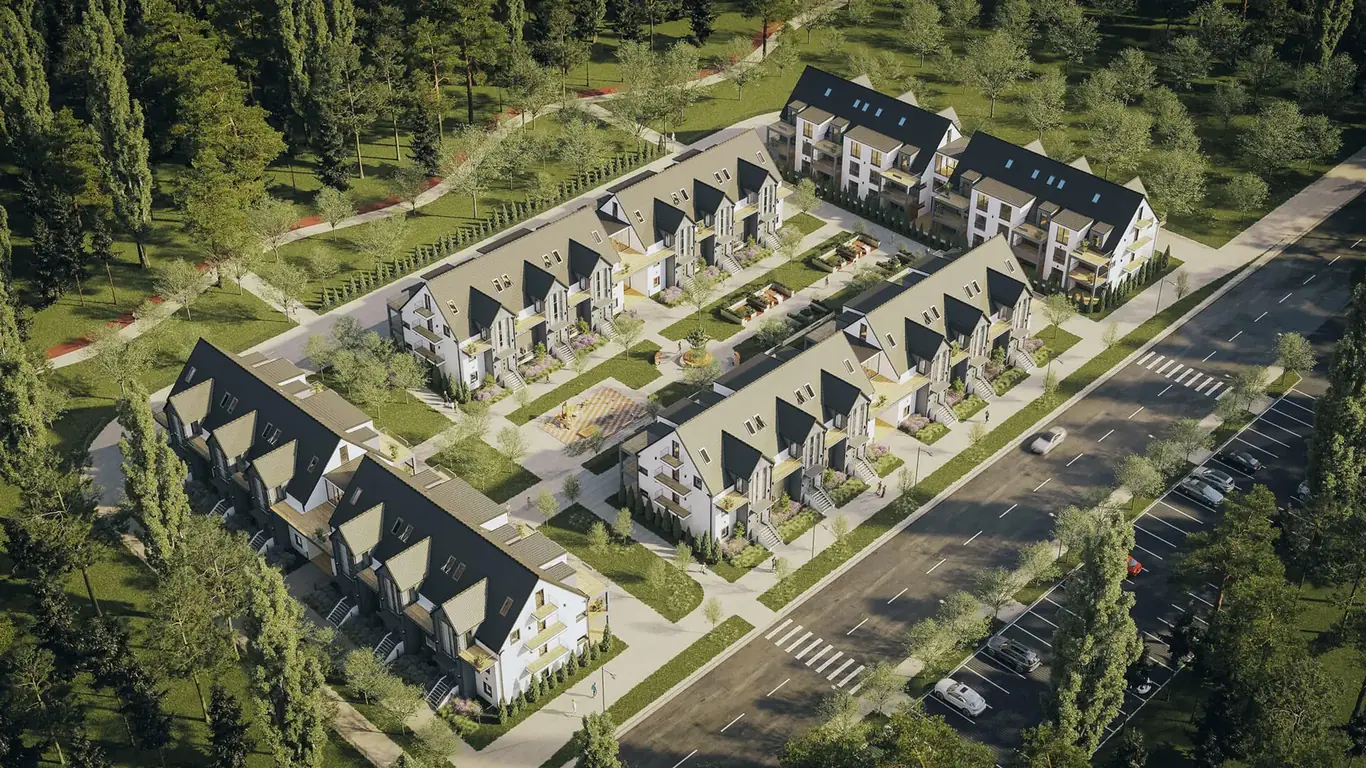
How to deploy visualization across the development lifecycle — investor pitch, entitlement, pre-sales.

JPG, PNG, TIFF, EXR, PSD — which format to request for renders, resolution guide, and animation formats.
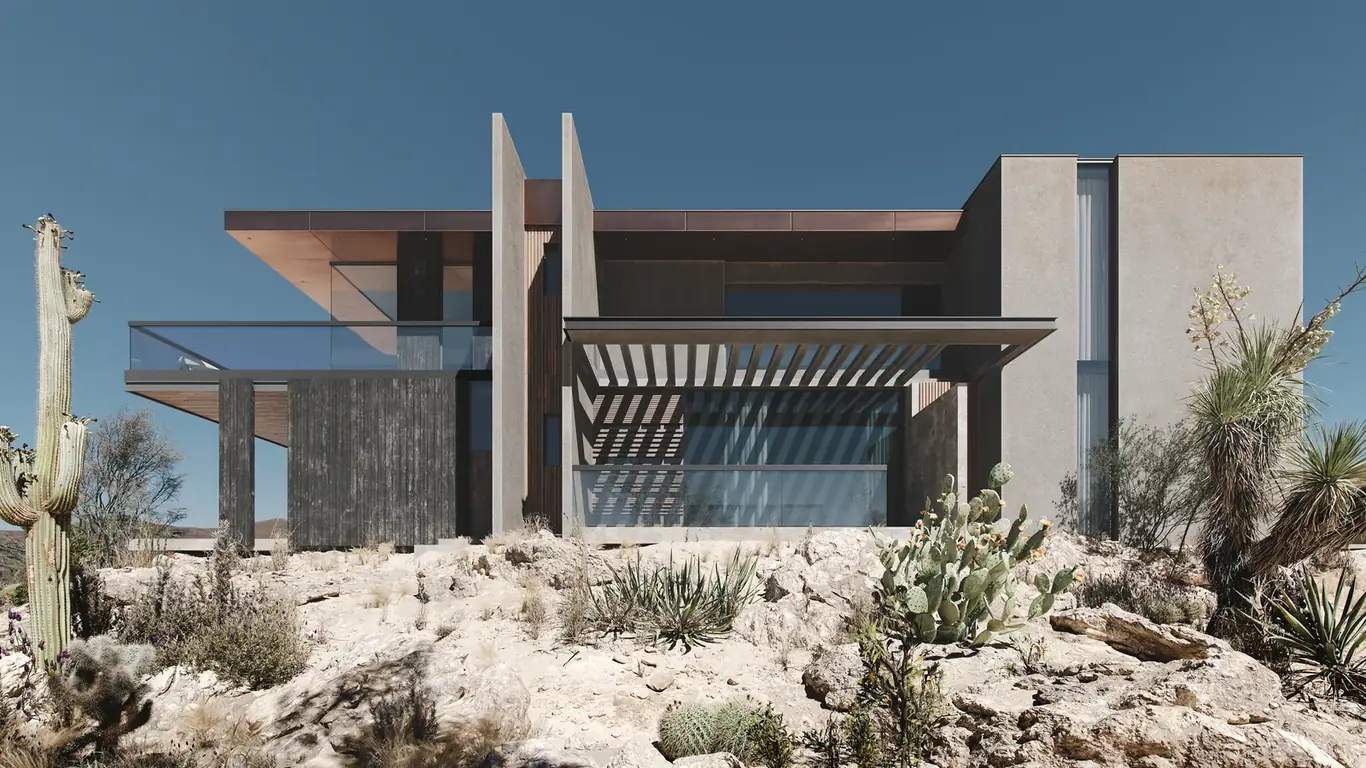
PBR materials, global illumination, the production pipeline, and how to evaluate render quality in a portfolio.

Photorealistic, watercolor, sketch, white-box — how to match the right rendering style to your project stage and audience.
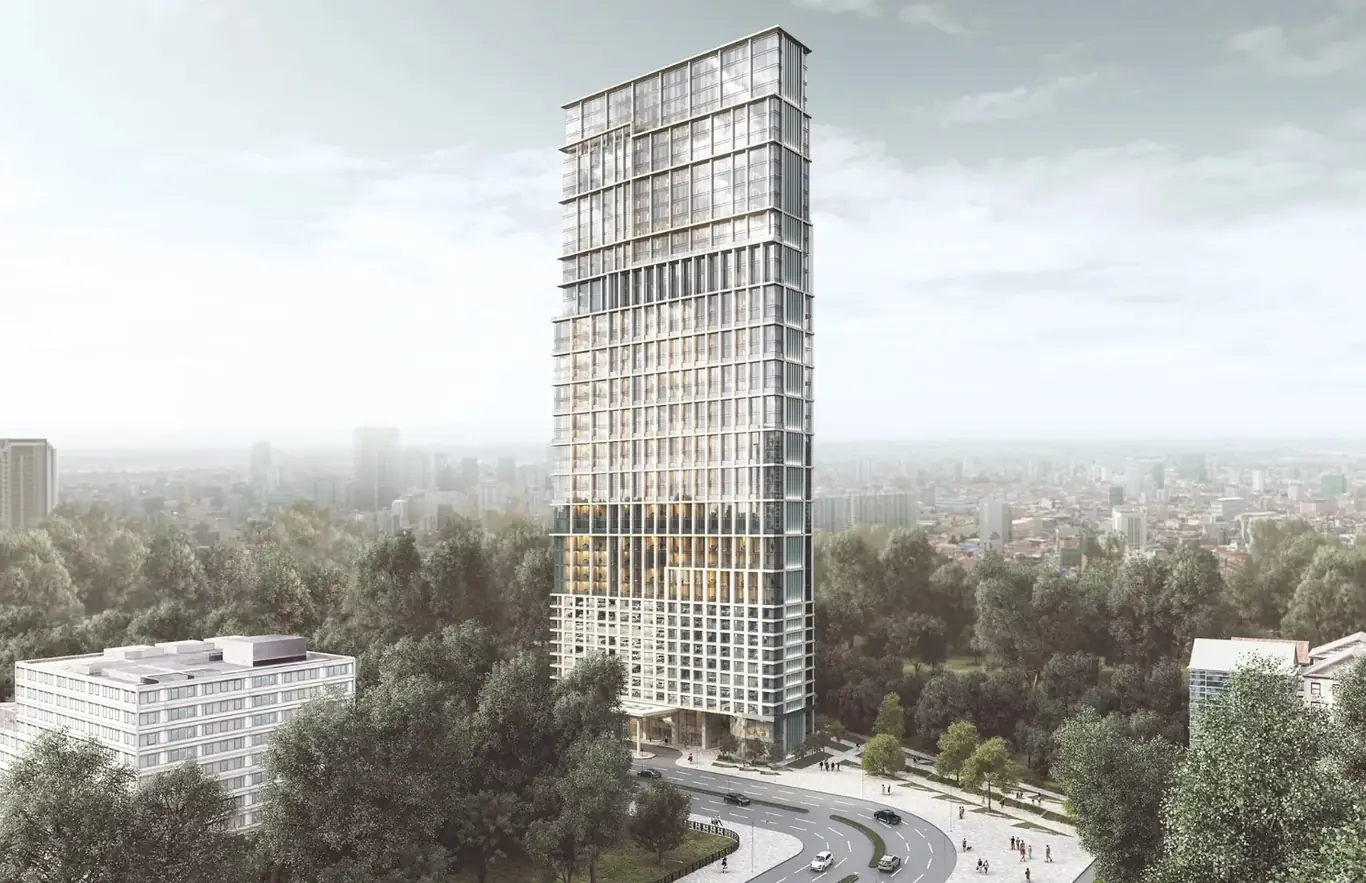
View sets, perspective challenges, photomontage requirements, and investor-grade visualization packages for tall buildings.

How landscape architects and developers use 3D visualization for outdoor spaces — plant rendering, hardscape, pool design, and site aerials.
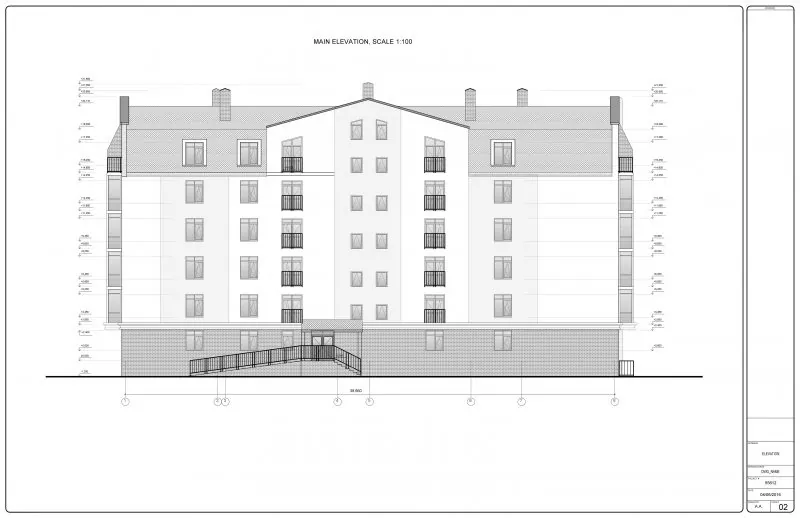
How logistics developers use 3D visualization to accelerate leasing, support design-build approvals, and market speculative facilities.
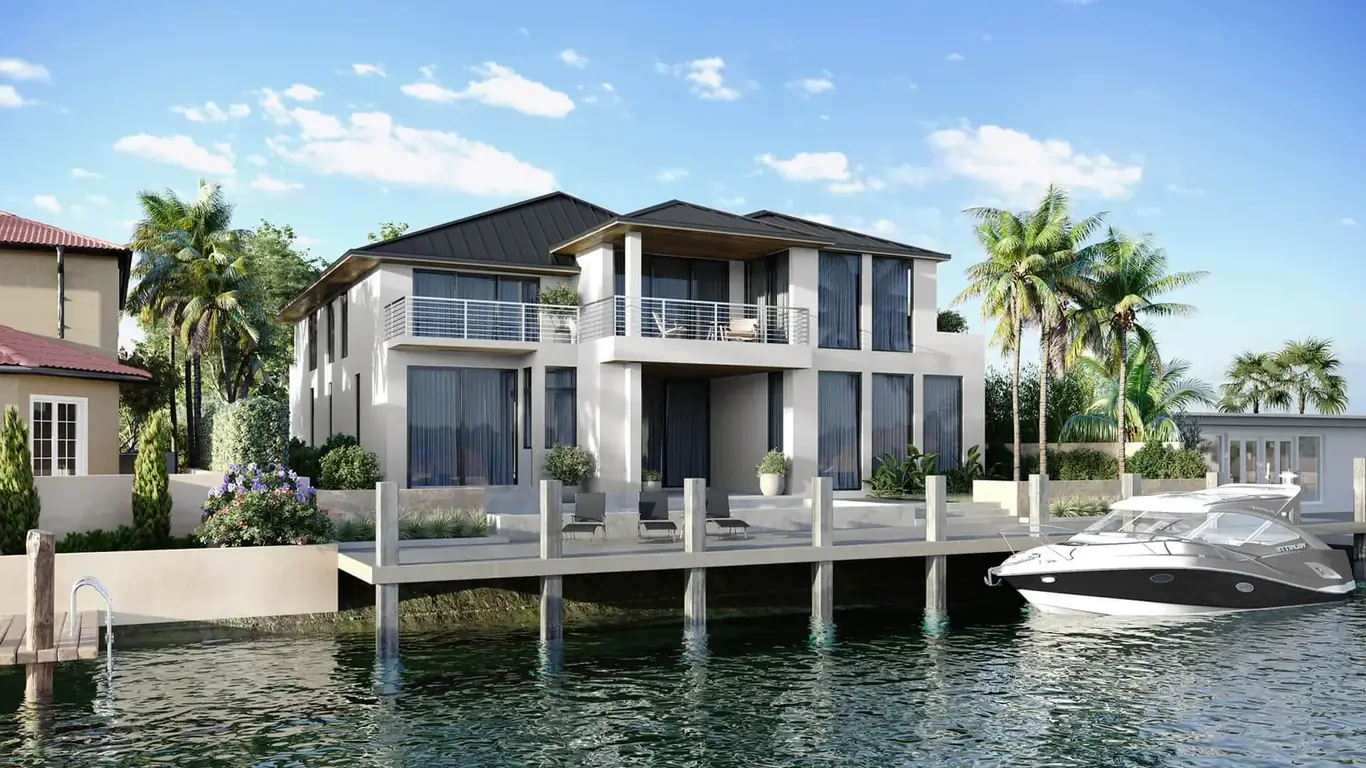
How the LA market shapes rendering requirements — ADUs, HPOZ districts, CEQA photomontage, hillside projects, and choosing the right studio.
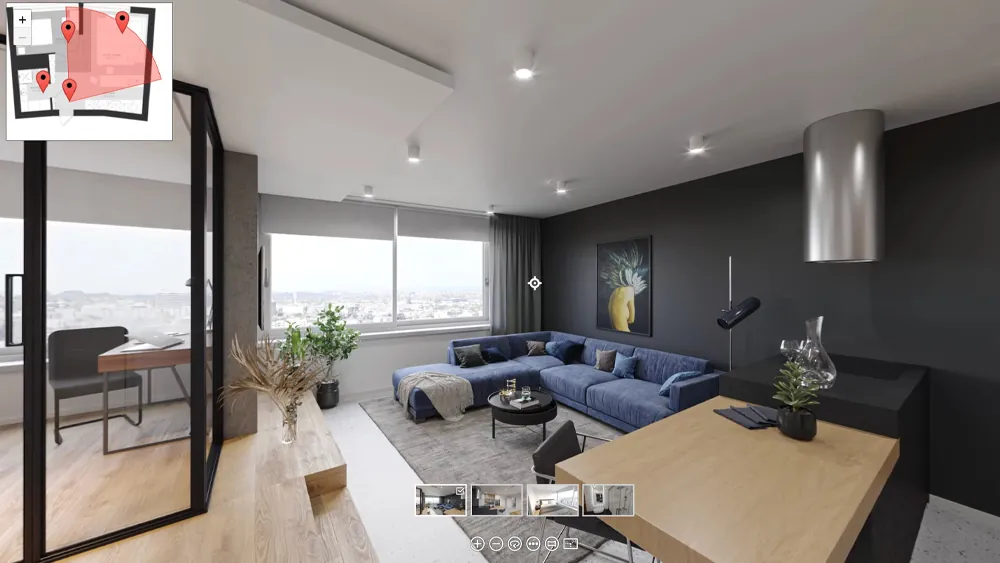
Timeline by render type with table, what affects speed, rush options, and how to compress your schedule without cutting quality.

White-box, grey-box, and clay rendering explained — what each shows, when to use them by project phase, and how they compare to photorealistic output.

The errors that add cost and delay delivery — incomplete briefs, wrong render types, scattered feedback — with a practical pre-brief checklist.
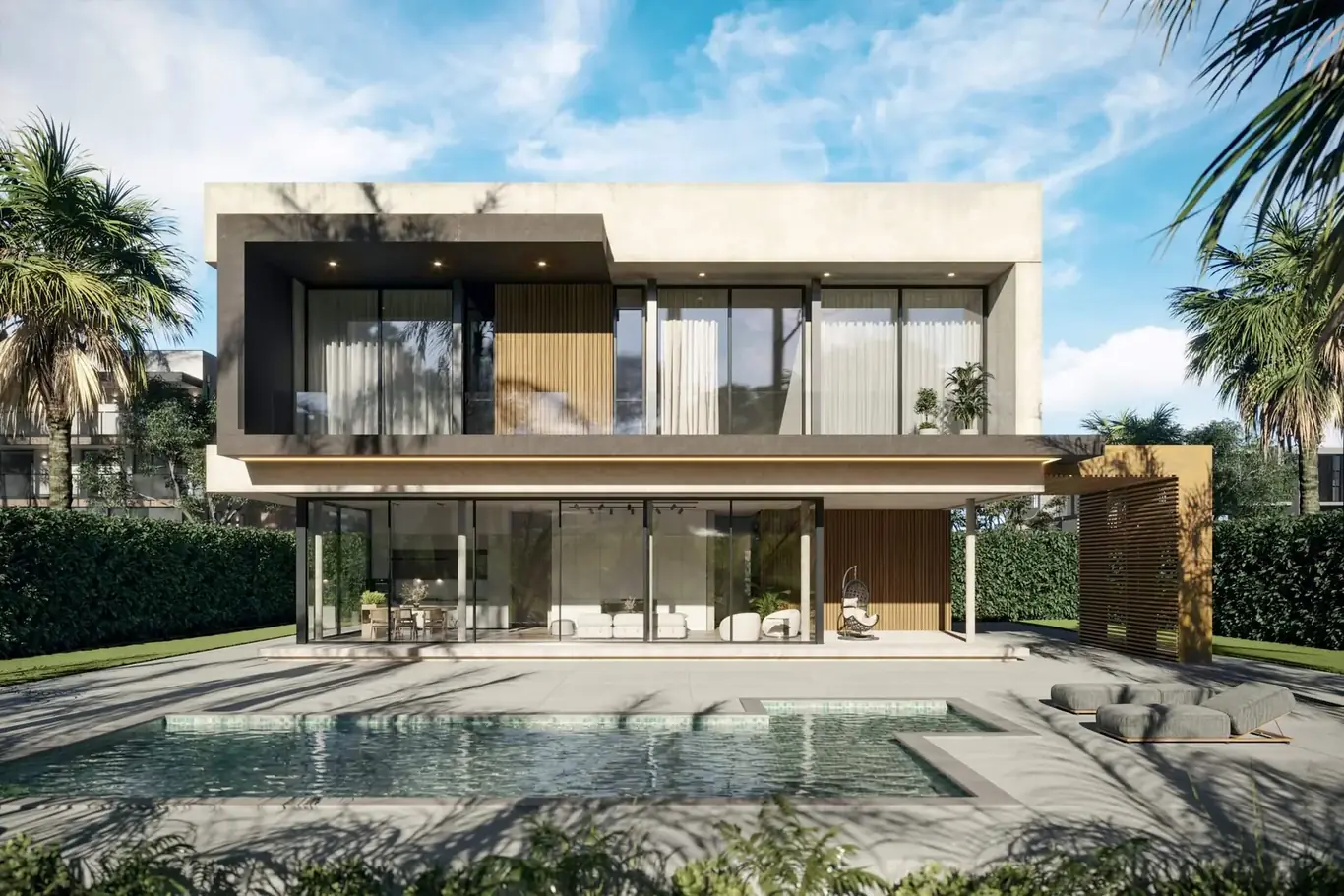
The full range of architectural visualization — stills, animation, 360 tours, VR, floor plans — who uses them and when each type delivers value.
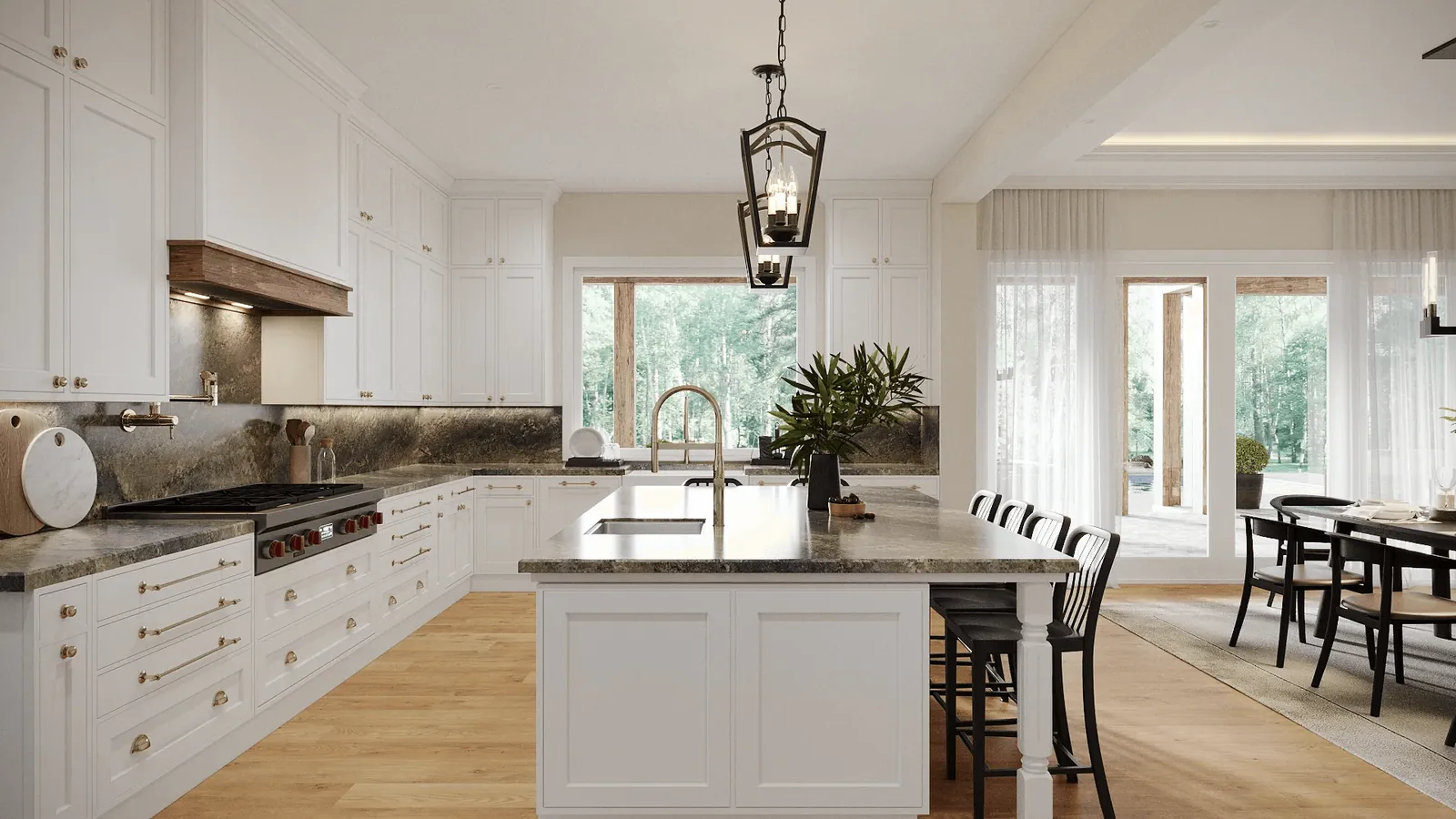
How interior designers and homeowners use kitchen renders for cabinet selection, material approvals, and renovation visualization.
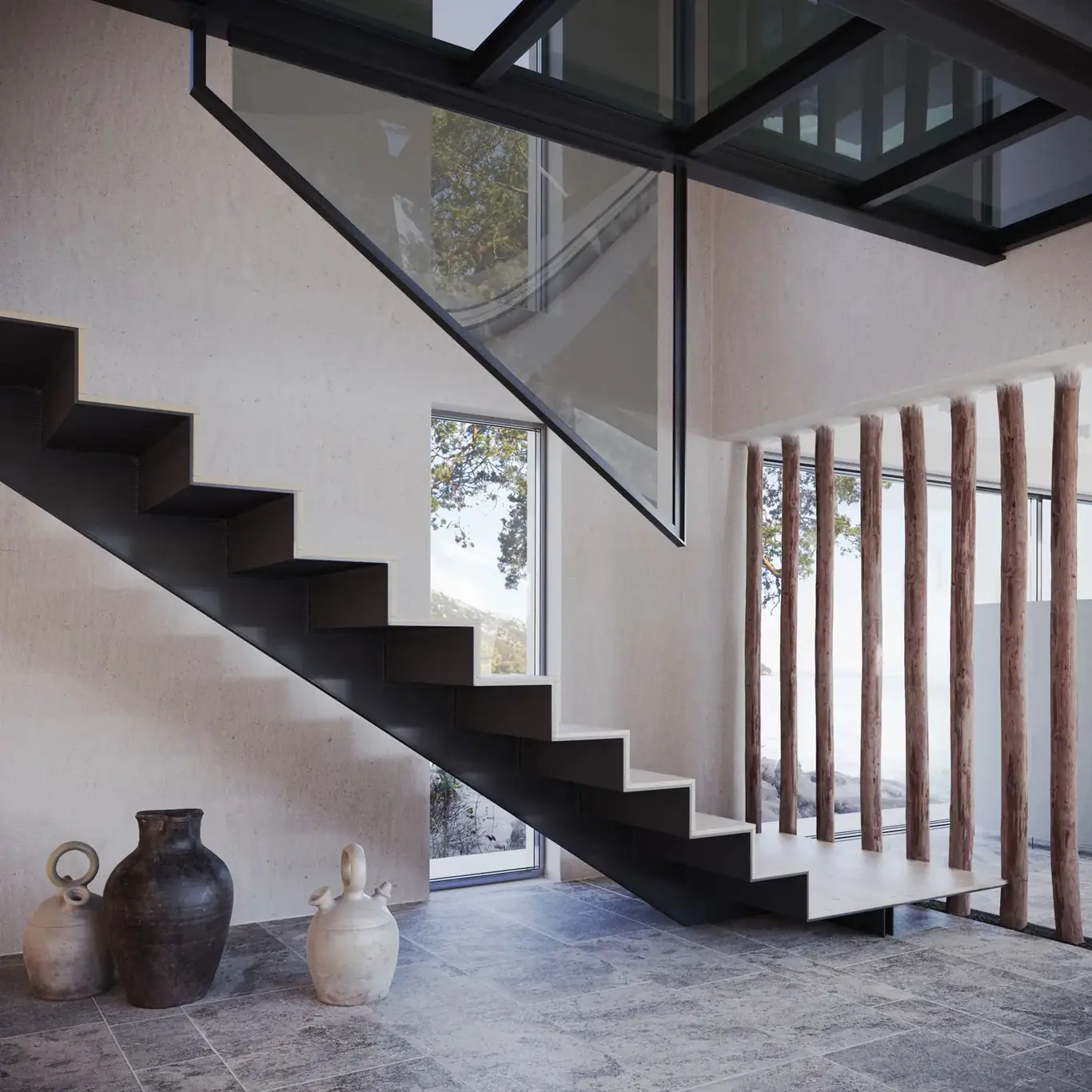
How to brief and use bathroom renders — reflective surfaces, tile selection, lighting design, and the challenges specific to wet rooms.
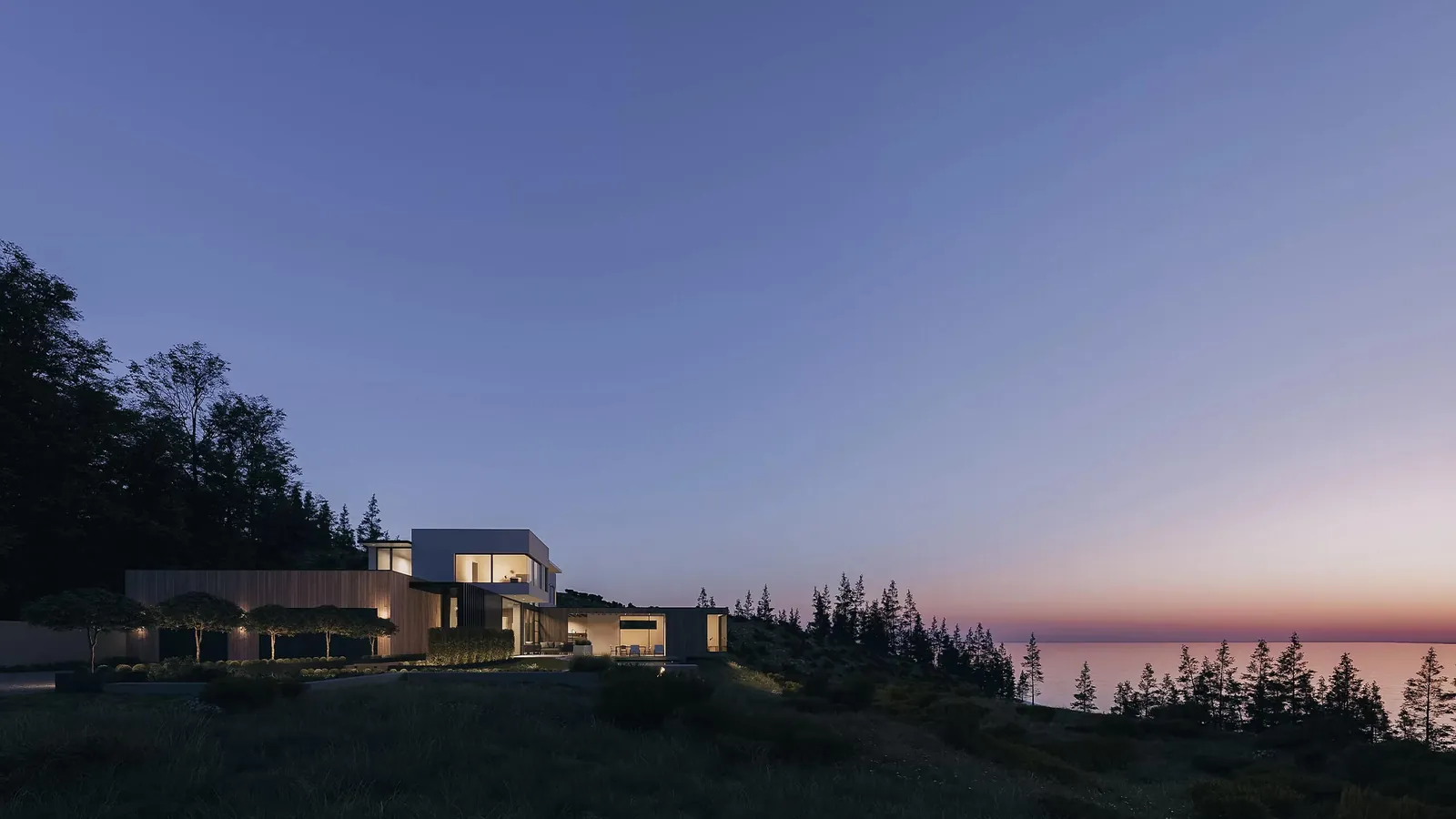
How realtors use rendering for pre-construction listings, renovation potential visualization, virtual staging, and land marketing.
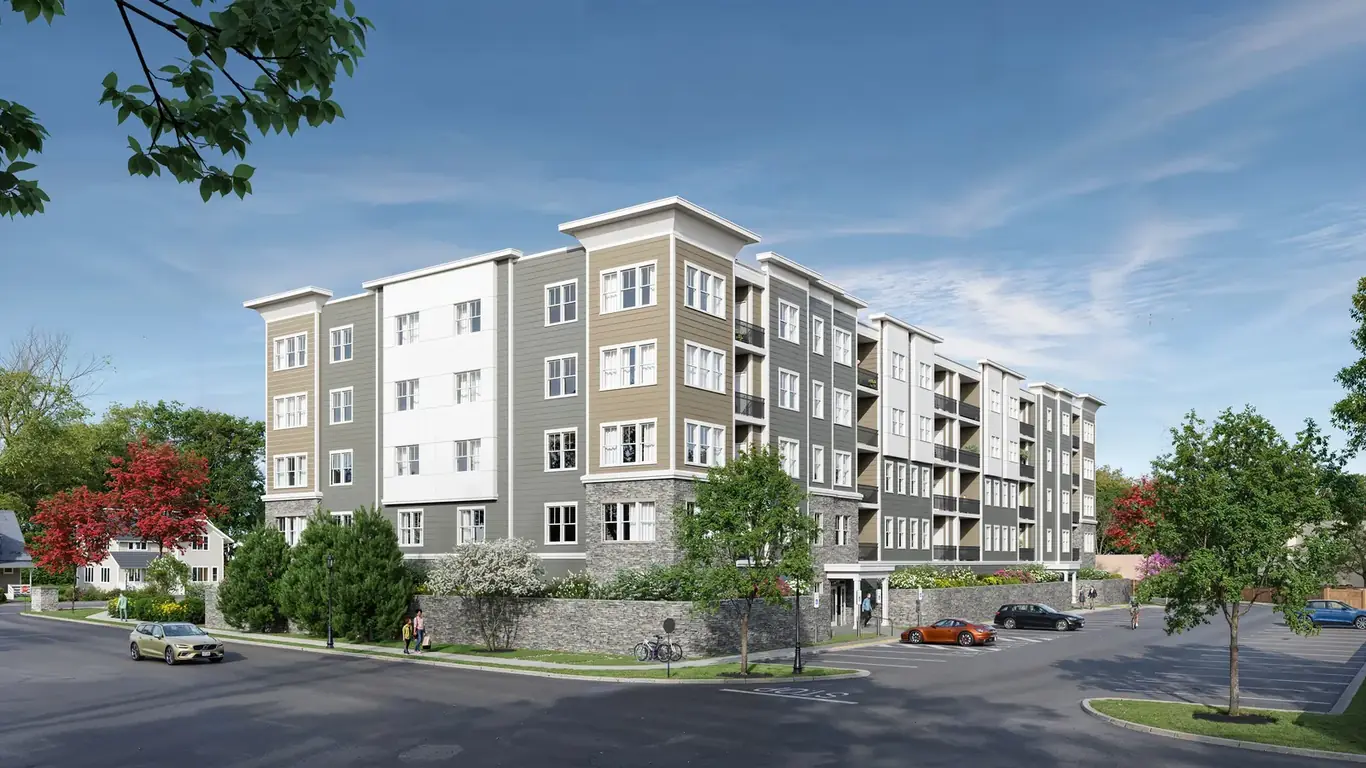
How design-build contractors use rendering to win proposals, prevent change orders, and market completed projects.

How senior housing developers use rendering for investor presentations, regulatory submissions, and resident marketing across CCRC, assisted living, and memory care projects.
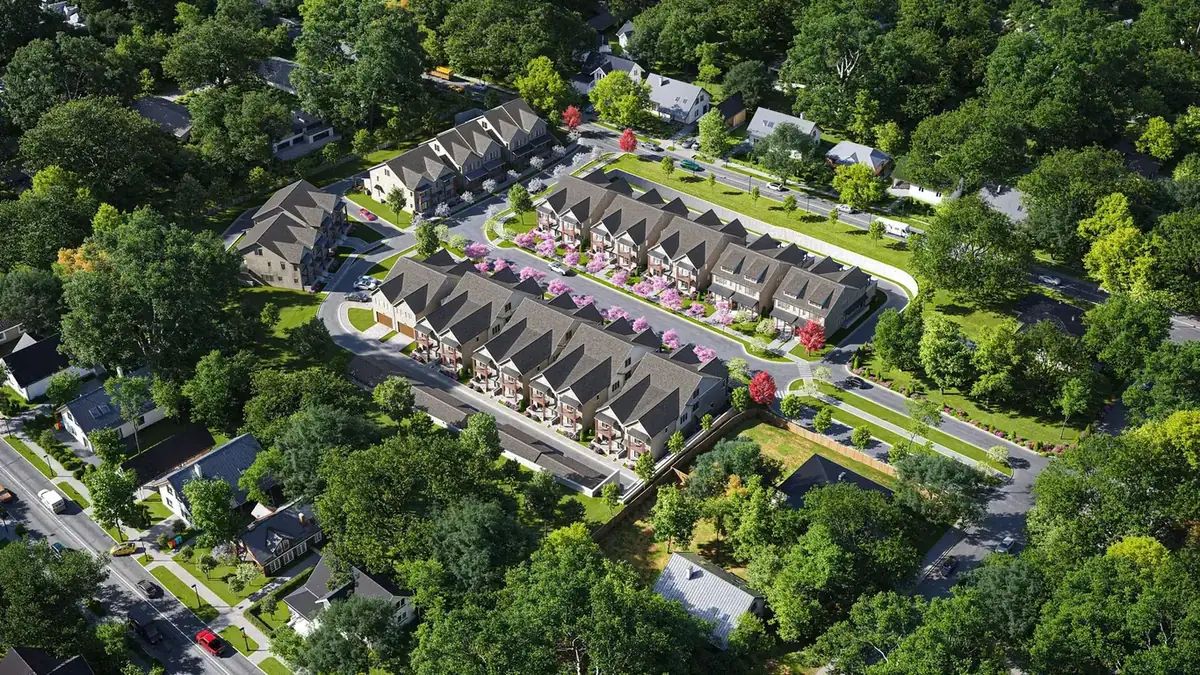
How PBSA developers use rendering to secure financing, drive pre-leasing, and communicate amenity programs for student accommodation projects.
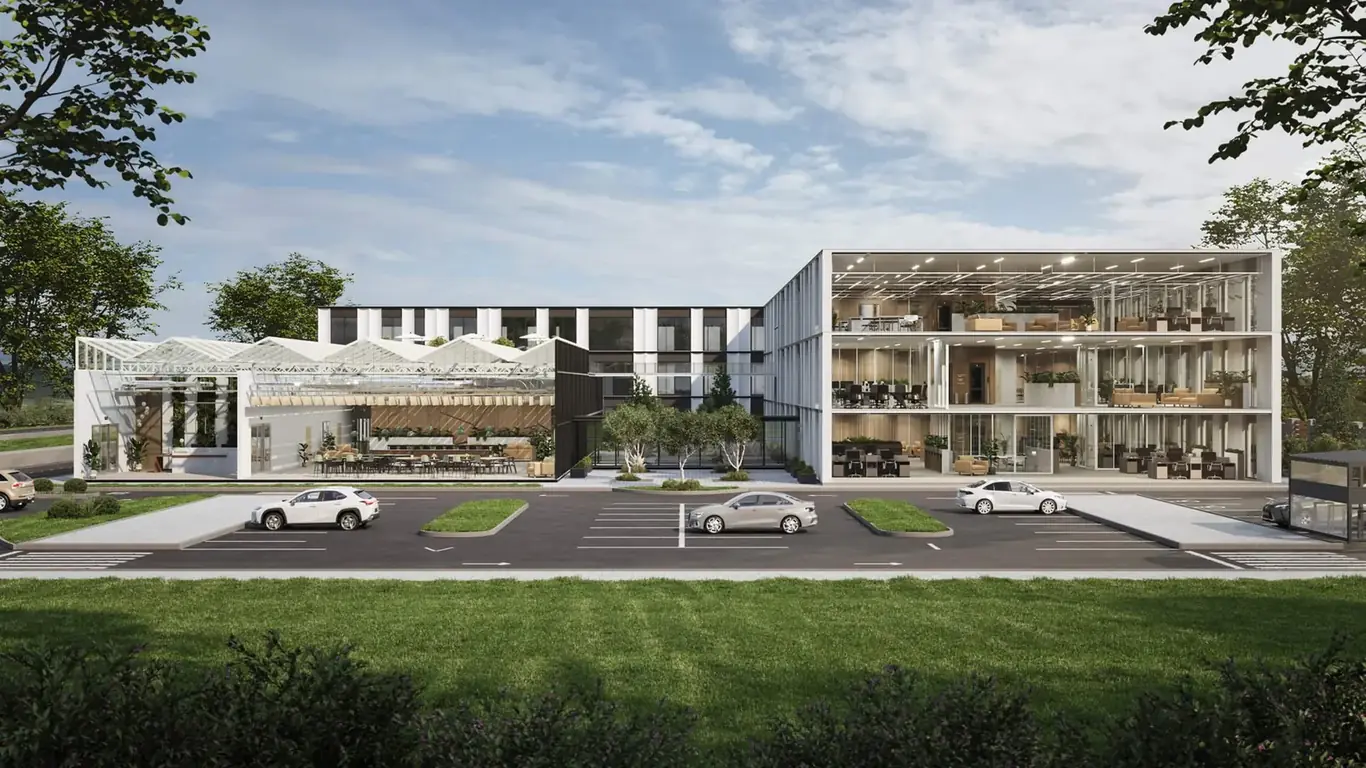
How architects use visualization for cultural buildings — capital campaign donor cultivation, planning approvals, and design competitions.

How architects and homeowners use renders for California beach house design — ocean view framing, coastal materials, and Coastal Commission submissions.
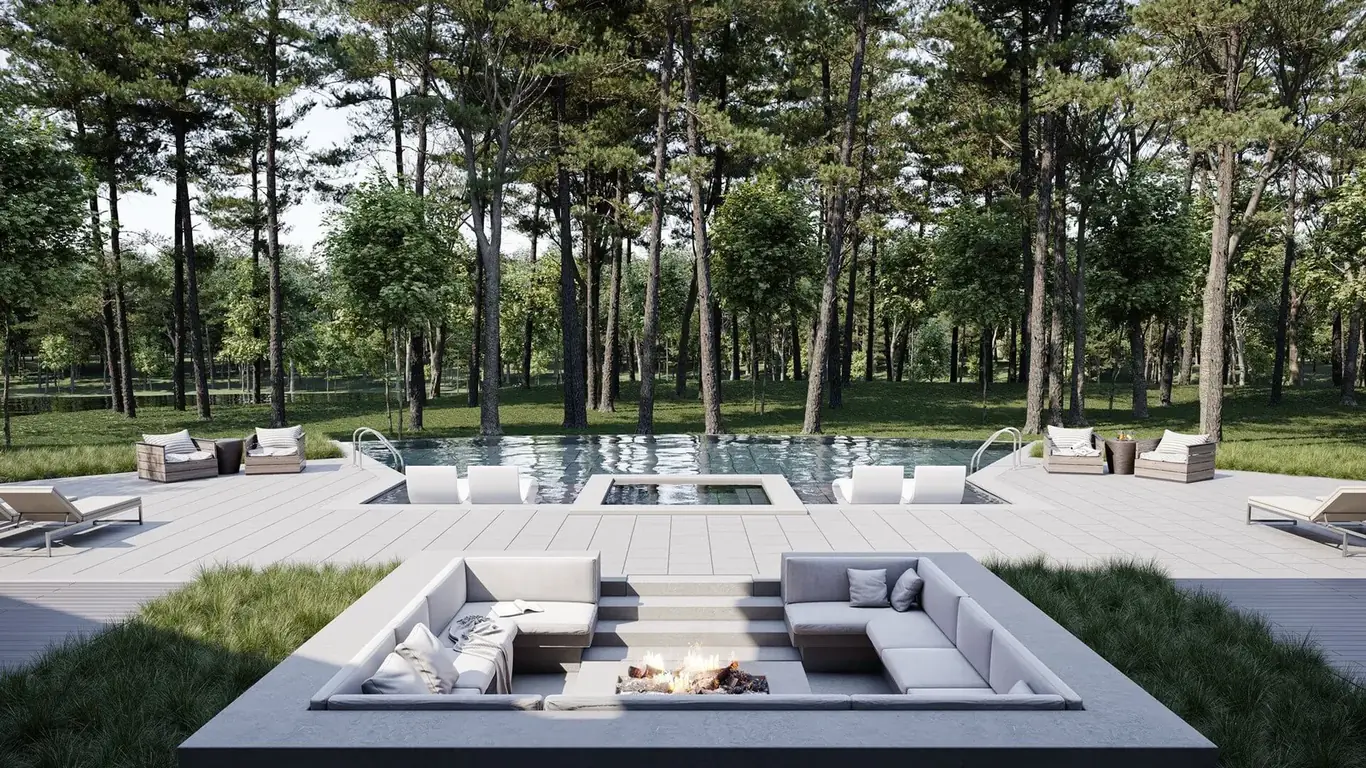
How architects use visualization to support variance applications, design review hearings, and planning board approvals — what renders are required and how to produce them.
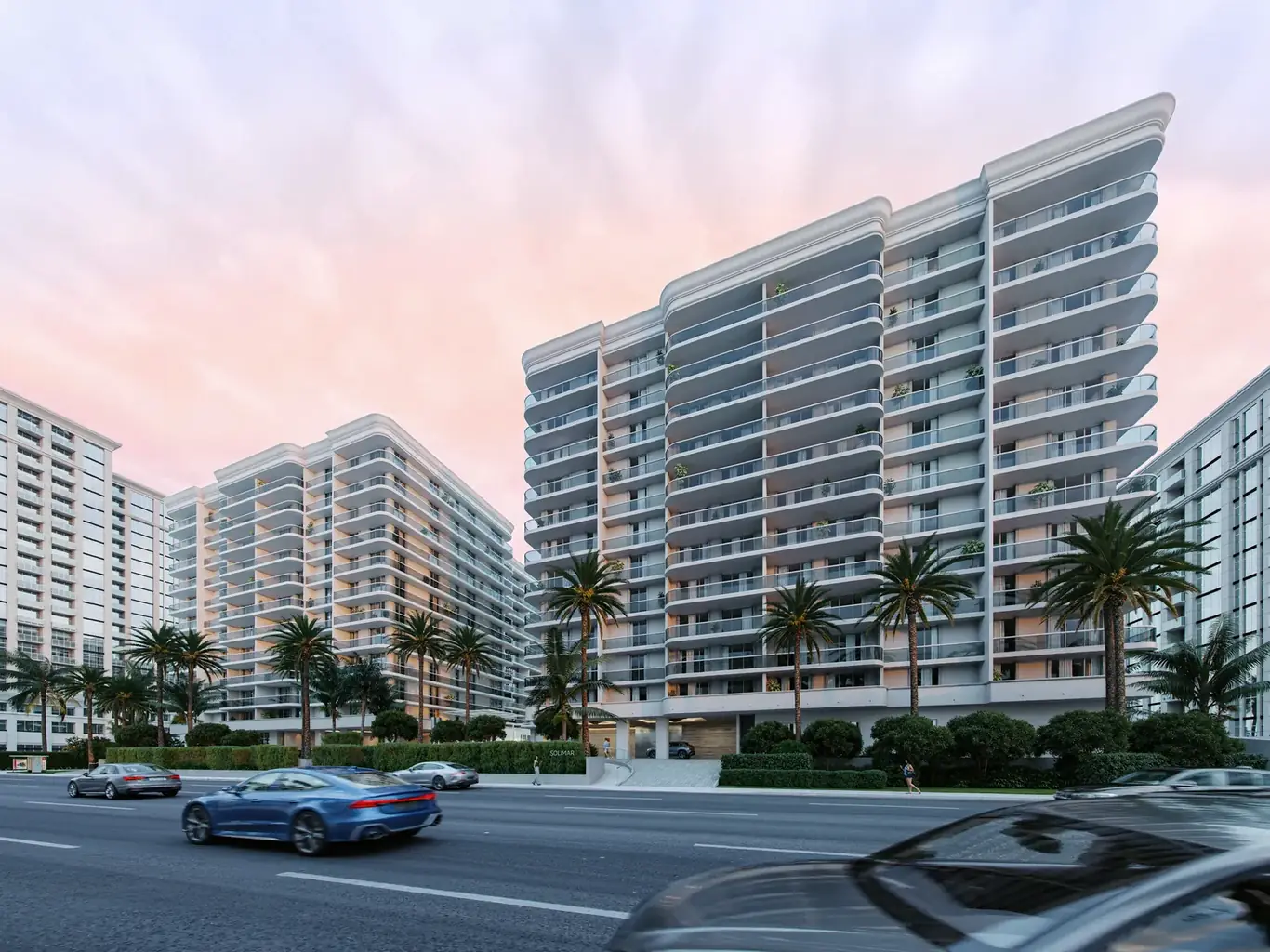
Architectural visualization for OC developers and architects — Irvine master-planned communities, Newport Beach luxury residential, and coastal planning submissions.
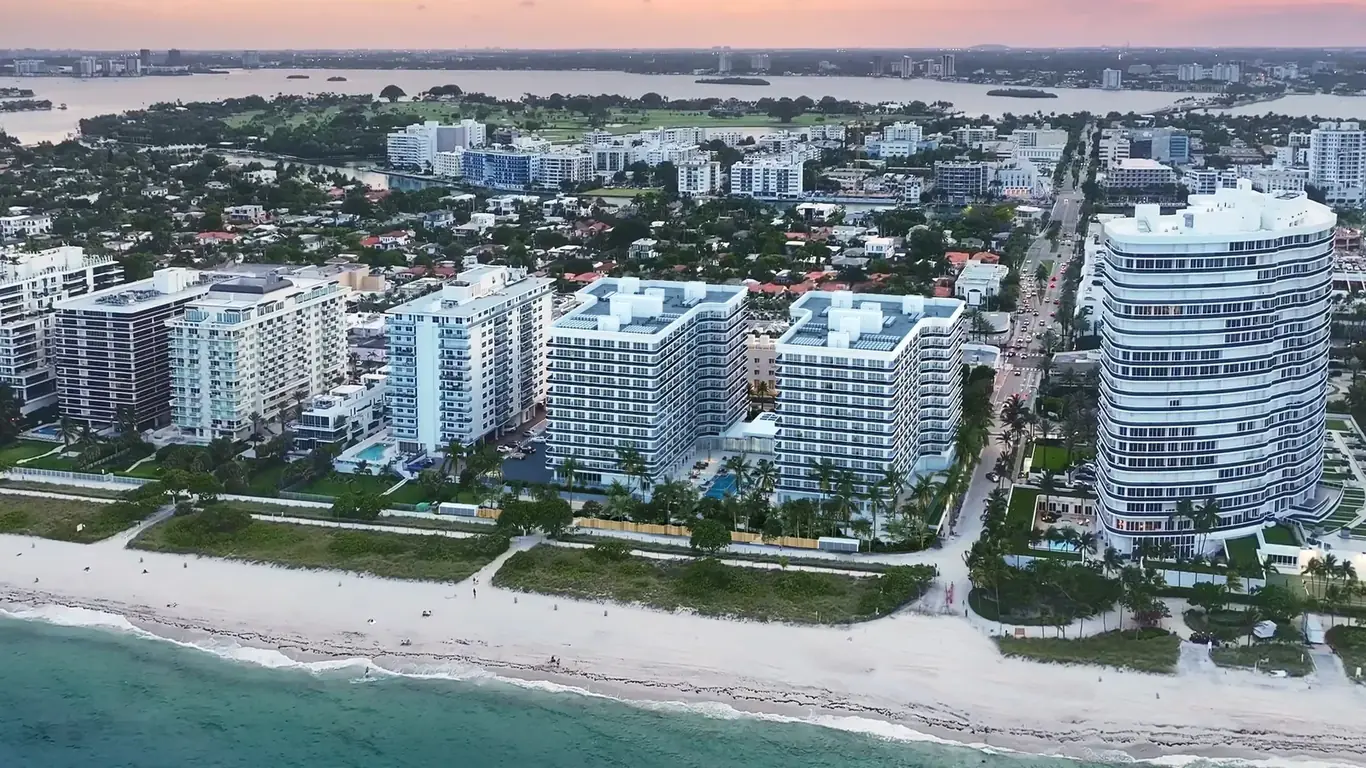
How architects visualize sustainable design — LEED certification, solar integration, passive systems, living walls, and net-zero building narratives.
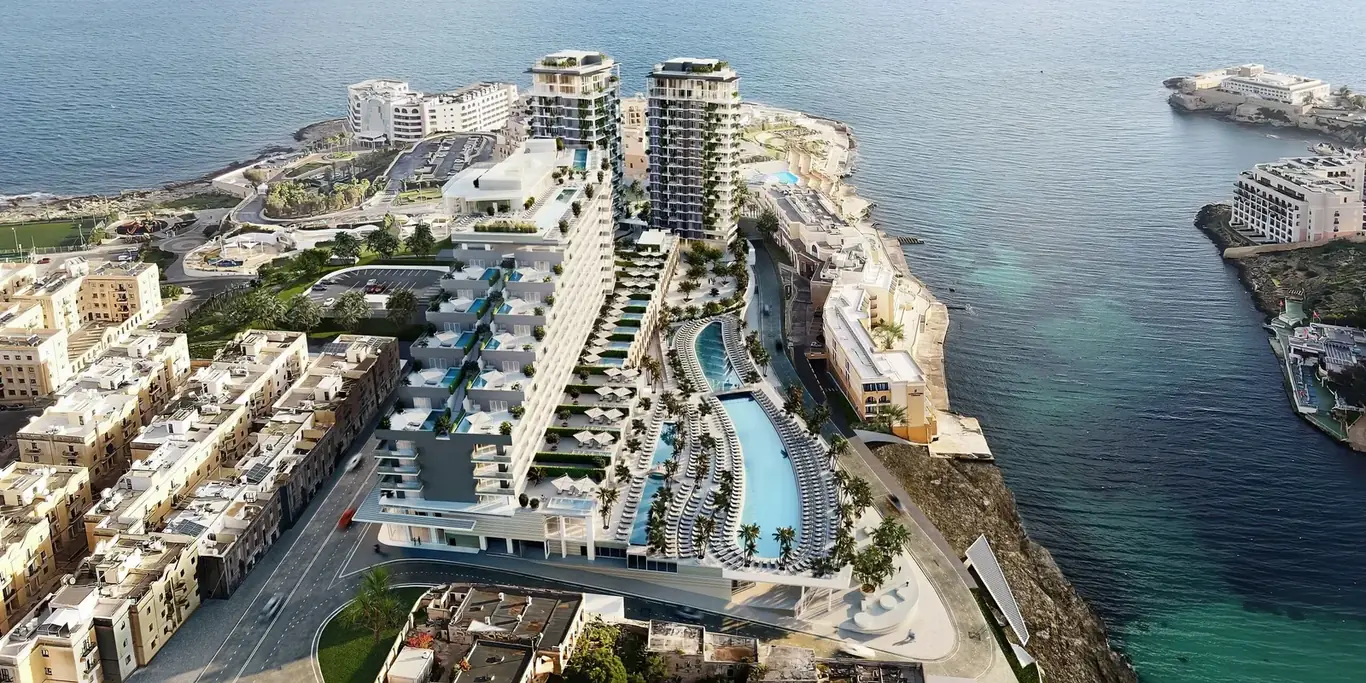
What's actually changing in architectural visualization — real-time engines, AI-assisted workflows, faster timelines, and what these shifts mean for clients.
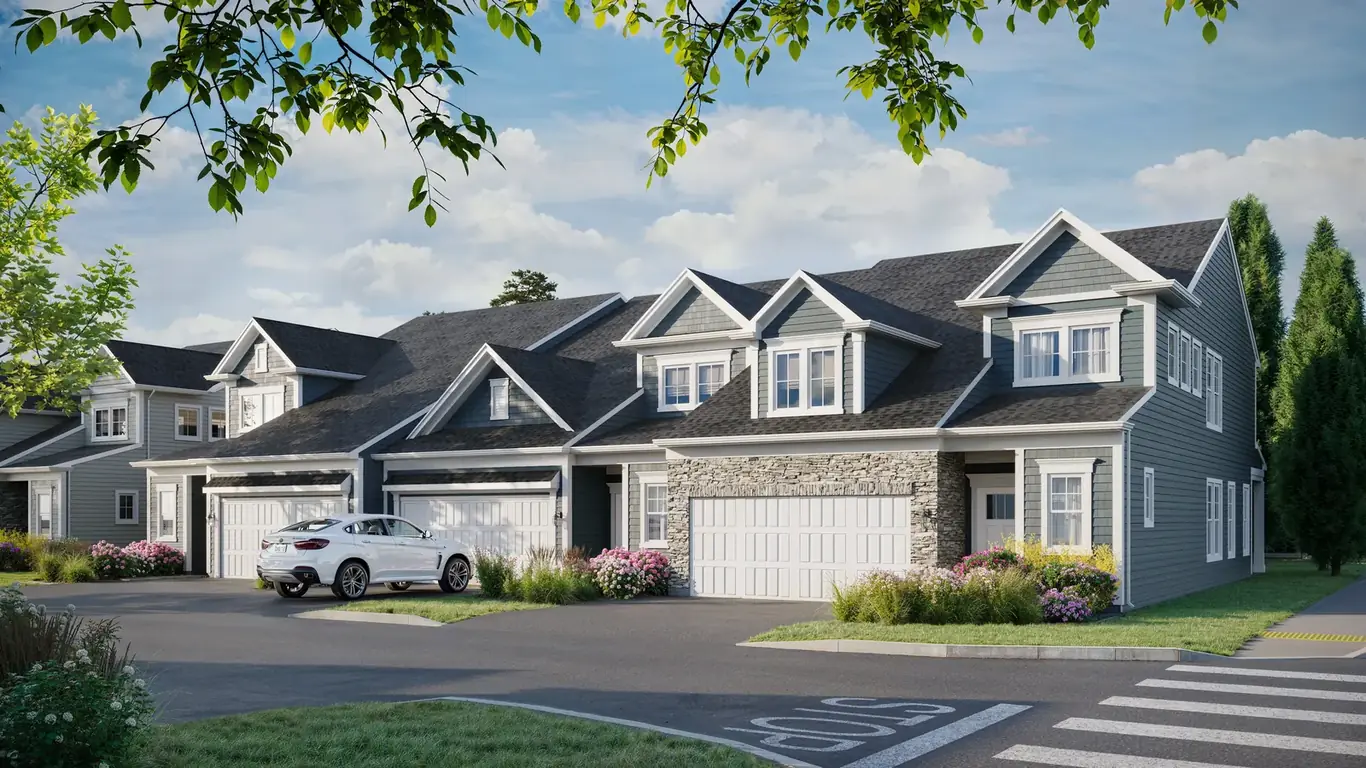
How real-time rendering compares to traditional V-Ray/Corona rendering, when to use each, and what clients can expect from both approaches.
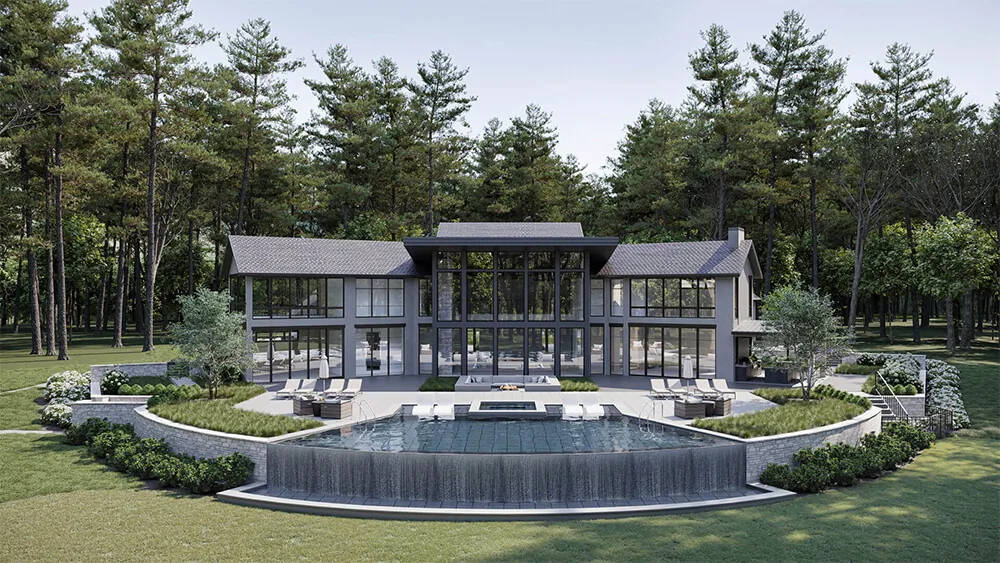
A practical comparison — cost, timeline, communicative strengths, and the scenarios where each approach delivers more value for your project.

How developers use rendering for penthouse pre-sales — city view framing, sky terrace visualization, ultra-luxury finishes, and location-accurate view renders.
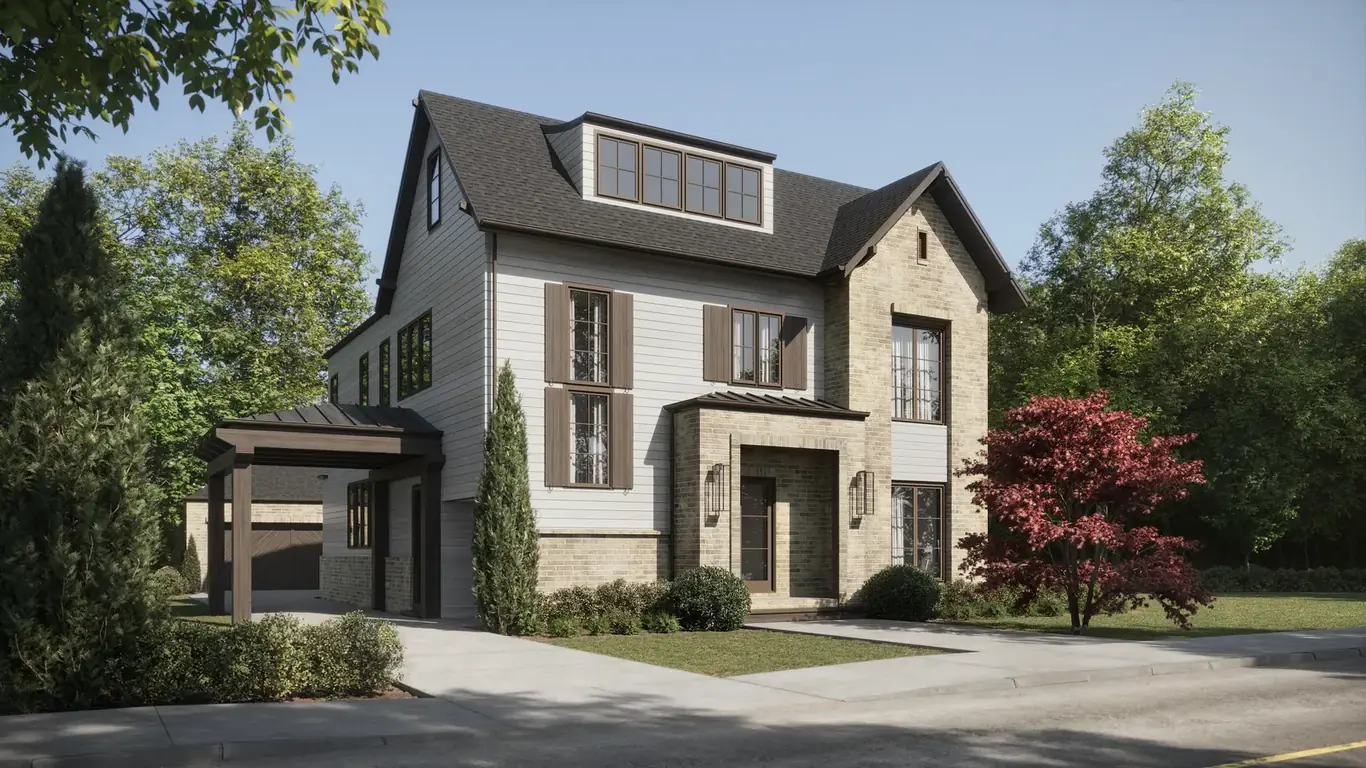
How developers and architects use rendering for parking structures — facade design, planning approvals, mixed-use integration, and design-build proposals.
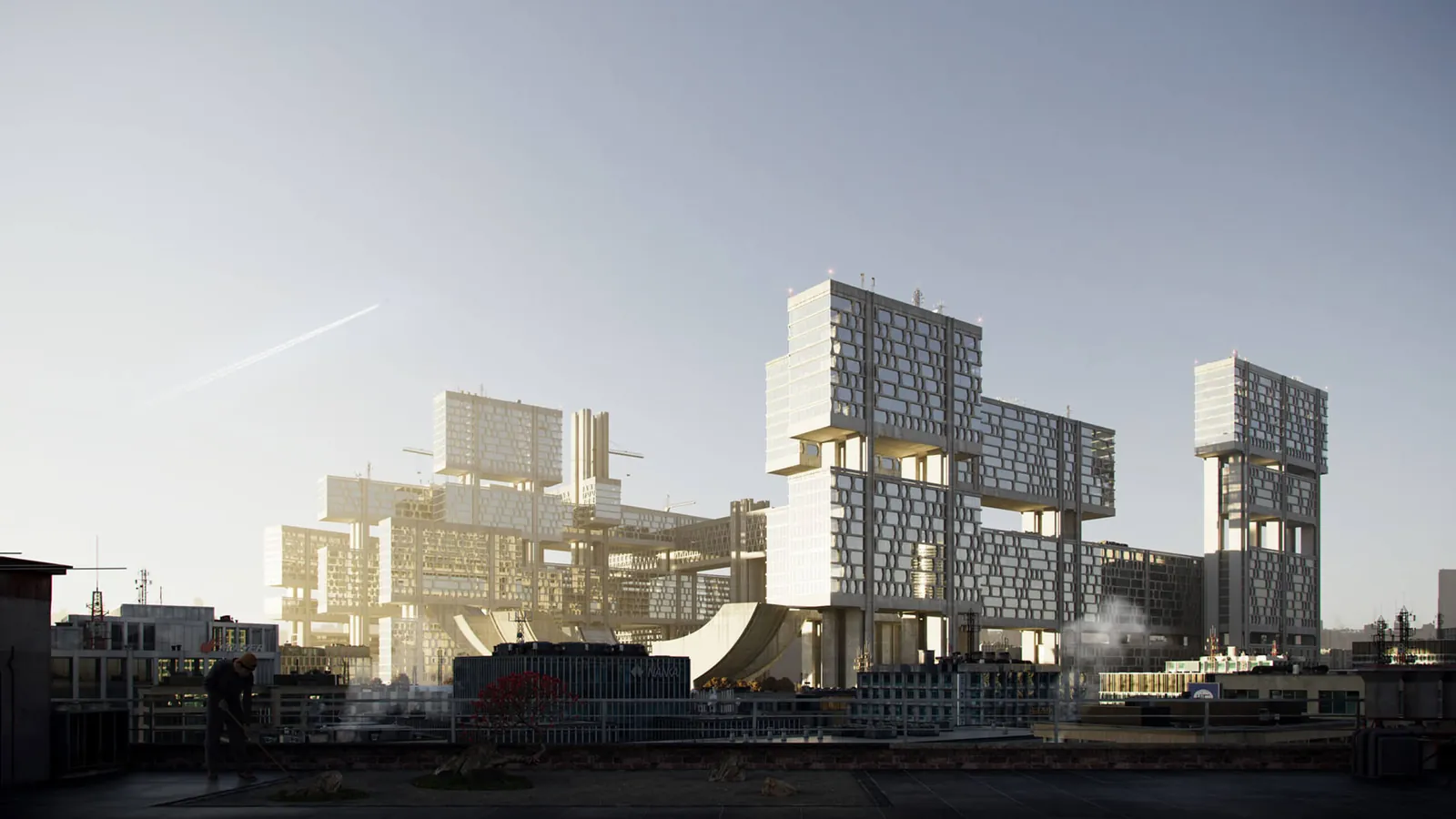
A step-by-step explanation of the full rendering production process — modeling, materials, lighting, rendering, and post-production — and where client decisions matter most.
How developers deploy renders across social media, digital ads, print, sales centers, and construction hoarding — with format and resolution specifications for each channel.
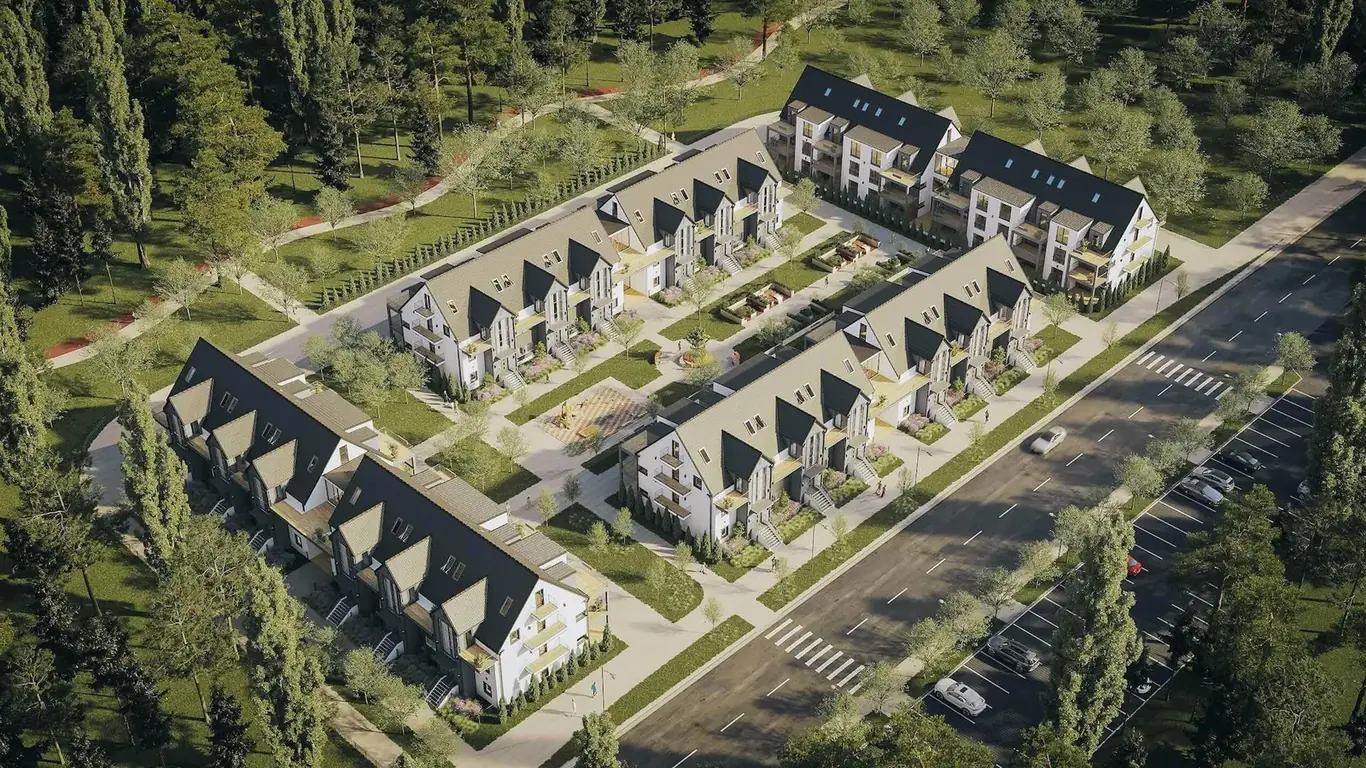
Data-driven analysis of LA's permit decline, the ADU boom, CHIP pipeline, and why 3D visualization matters more in a softening market — with primary sources.
Peer-reviewed research and industry data on how 3D visualization affects listing engagement, time on market, and pre-construction sales velocity.
How 3D rendering helps homeowners plan, permit, and market ADUs in Los Angeles and California — exterior views, interior layouts, floor plans, and pricing.
When homeowners need 3D rendering — renovation, addition, custom home, kitchen remodel. What it costs and how to use renders to avoid costly mistakes.

Real survey data from 63% of the profession, tool costs, nine use-case verdicts, and the copyright question most architects never ask.
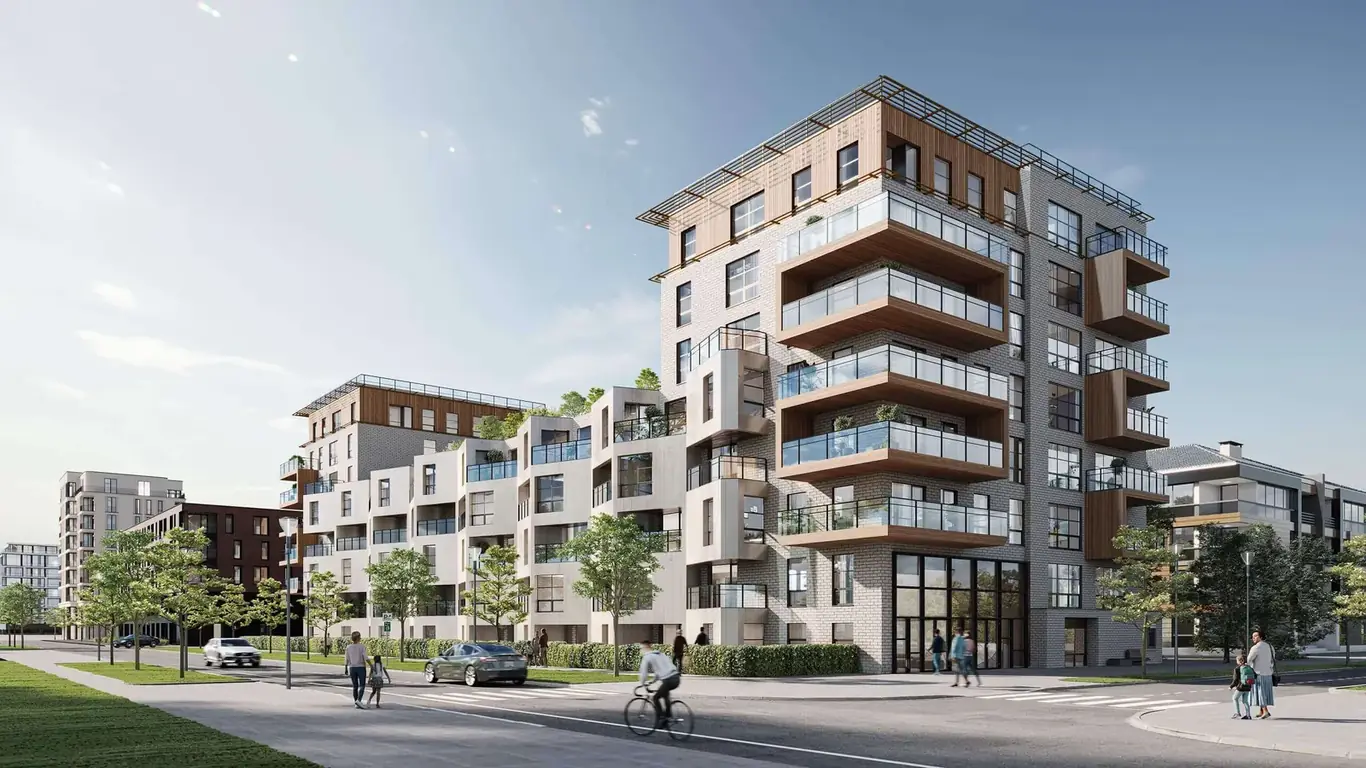
How visualization helps win LIHTC applications, satisfy LAHD and TCAC design requirements, and clear community opposition in California.
A practical guide to scoping render count by project type — listings, interiors, multifamily, and large developments — with recommended views for each.
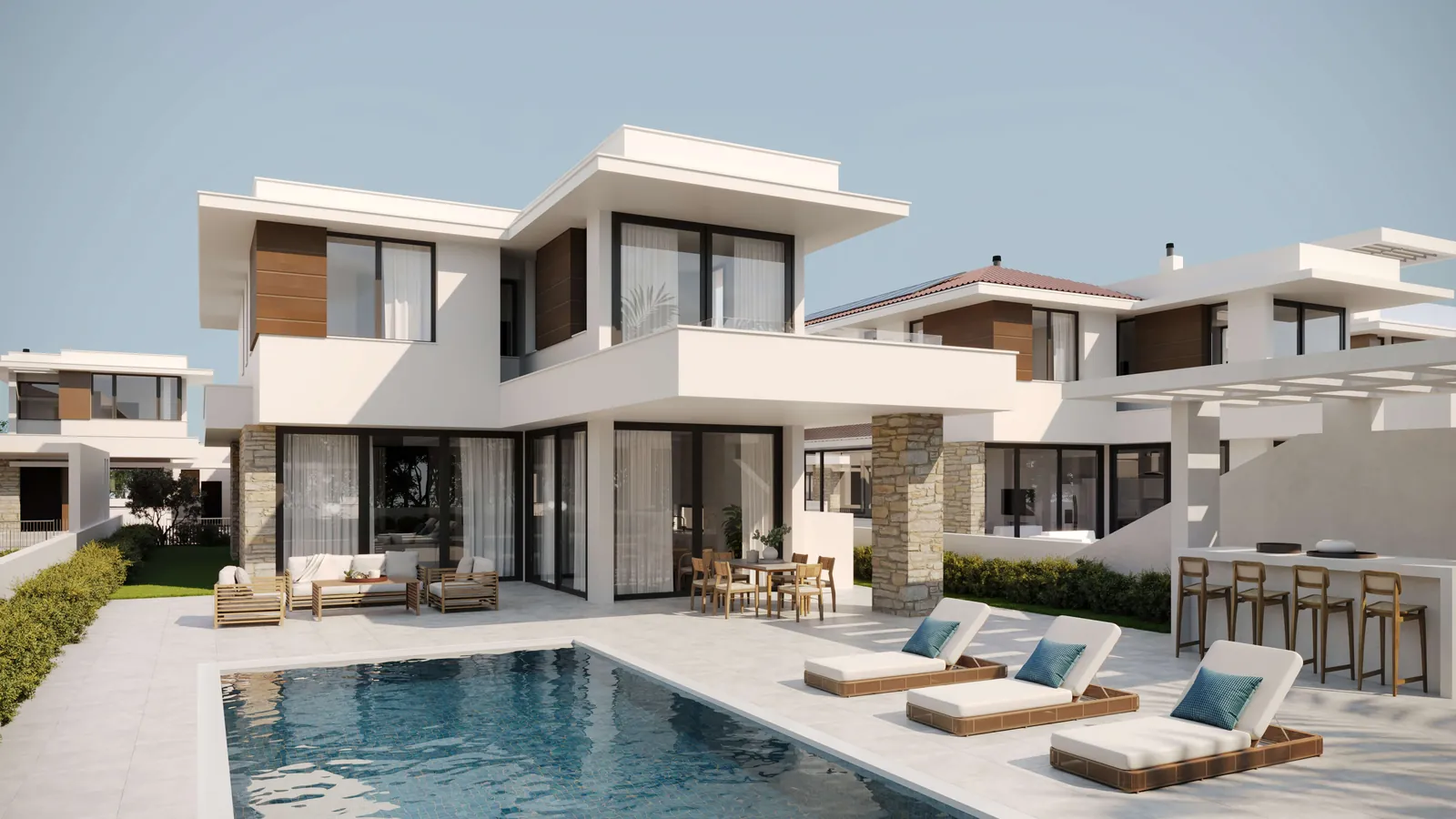
How visualization leases unbuilt rental communities faster — what to render for build-to-rent, where the images go, and how they protect lease-up speed.
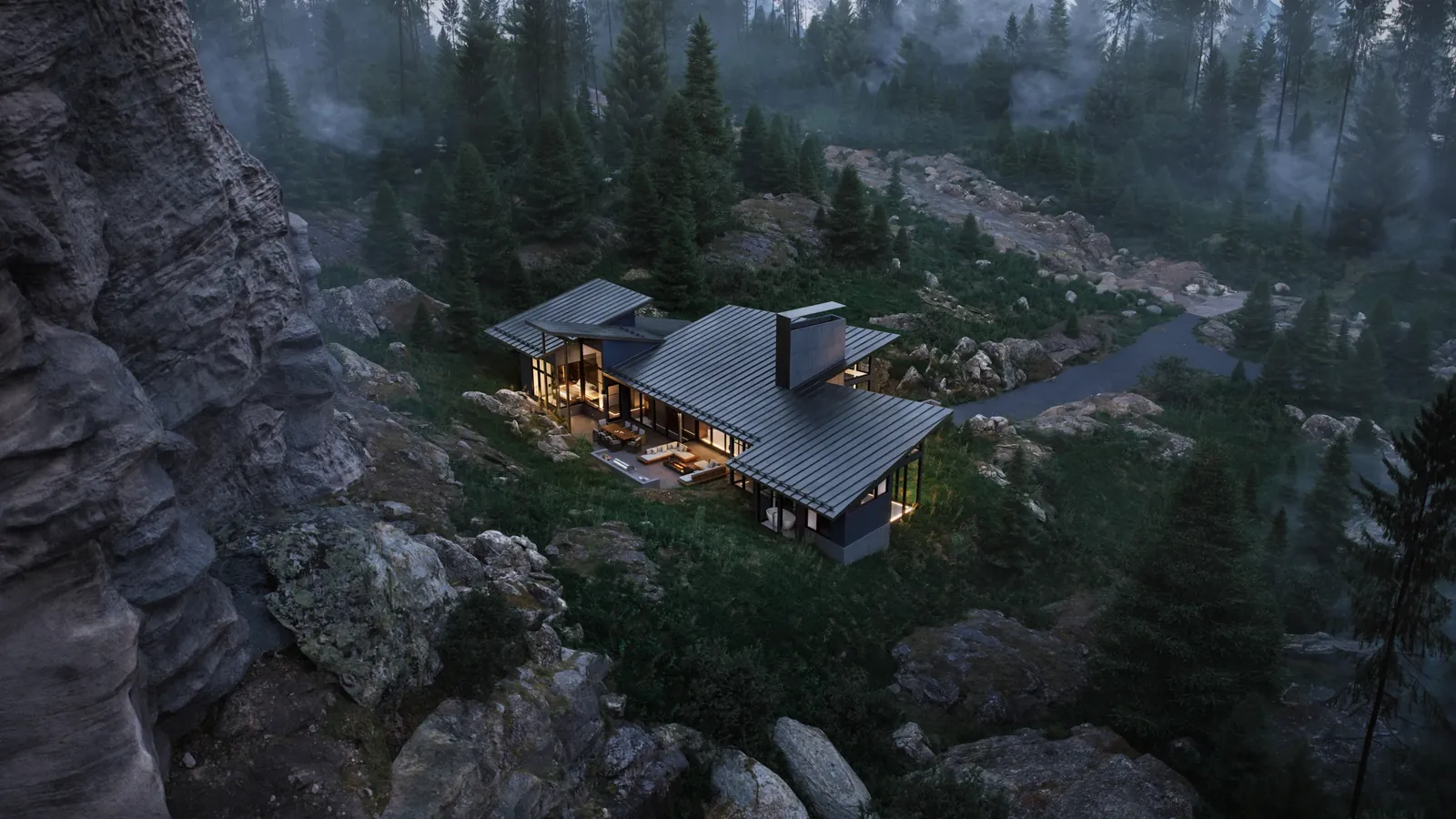
Eye-level hero shots, 45° corners, low angles, and aerials — how to pick the right camera angle for each render, with the heights and lenses that make them work.
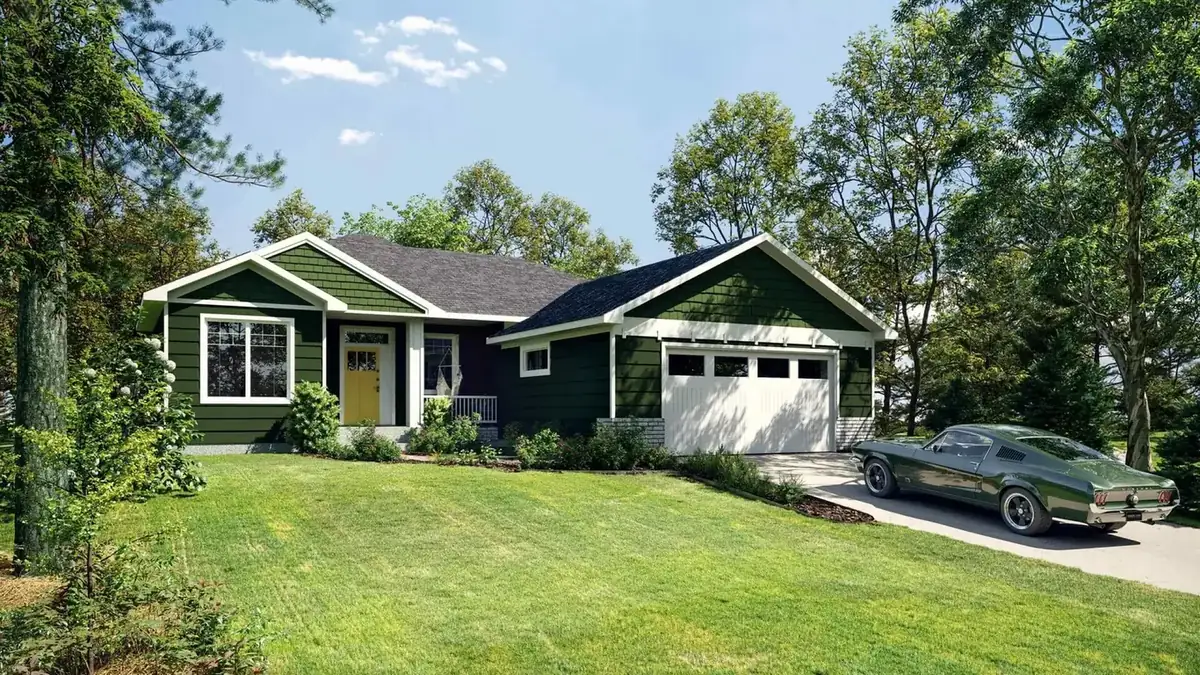
A data-backed 2026 comparison of US, offshore, and hybrid rendering studios on cost, quality, IP, and turnaround — with every figure linked to its source.
Get a free estimate in 2 hours — no commitment required.