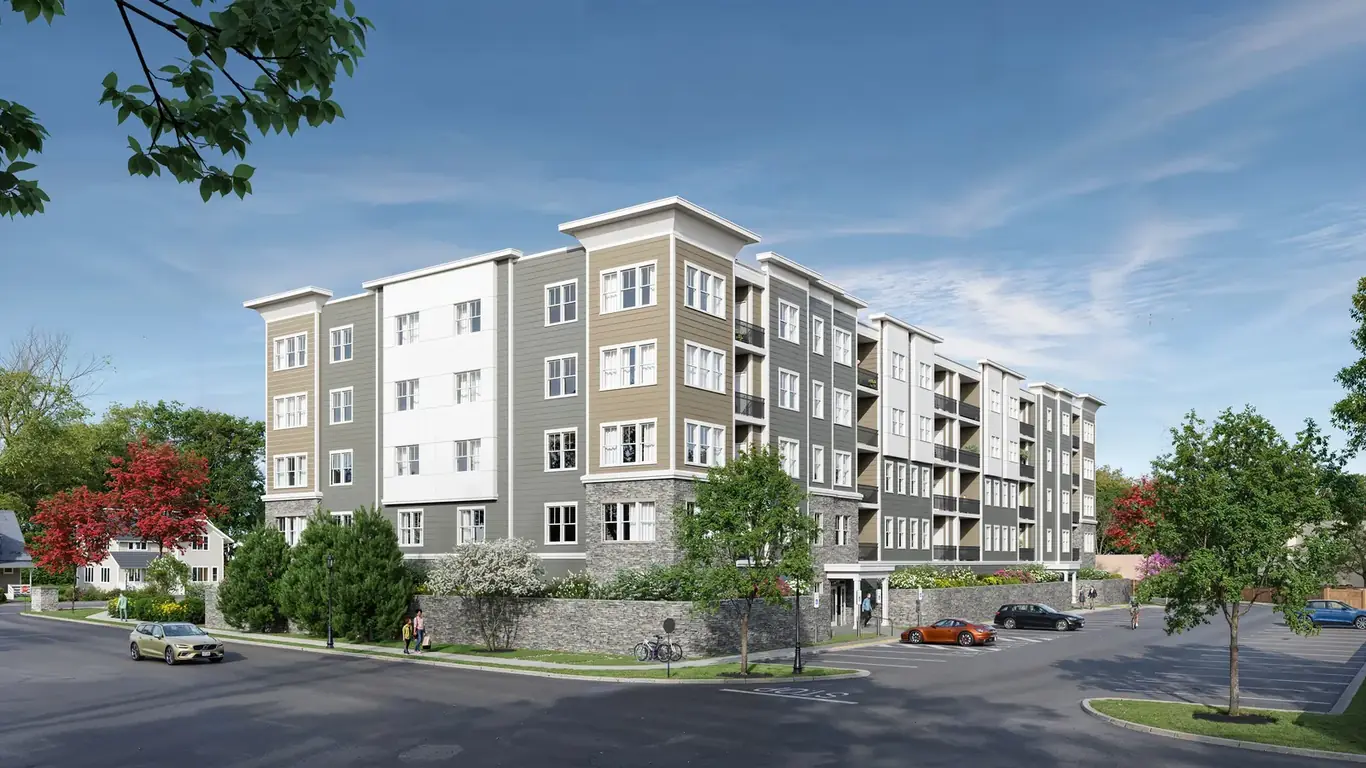
Most general contractors and design-build firms think of 3D rendering as something architects do — a design service, not a construction service. In practice, the contractors who consistently close more proposals, run projects with fewer change orders, and build a stronger brand in their market are those who have made visualization a standard part of their client engagement process.
Rendering serves different purposes for a contractor than for an architect. Architects use visualization primarily for design development and planning submissions. Contractors use it primarily for three things: winning competitive proposals, setting accurate client expectations before construction begins, and marketing their work to attract future clients. Each of these applications has a clear ROI that justifies the investment.
Design-Build Proposals
In a competitive design-build proposal, the contractor who can show the client a photorealistic visualization of the proposed project — rather than a set of schematic drawings and a budget — has a significant advantage. The visualization converts an abstract set of numbers and plans into an emotional commitment: "this is what you'll be building." Clients who can see the proposed result are more confident in the contractor who helped them see it.
Design-build proposal renders don't need to be as detailed as marketing renders. The goal is to show the design concept, demonstrate the quality the contractor can deliver, and give the client enough visual information to make a committed decision. A single exterior render plus a key interior view (typically the kitchen or primary living space) is often sufficient for a residential design-build proposal. For commercial projects, an exterior hero view plus one interior view of the primary commercial space (retail floor, office floor, lobby) covers the essential communication.
The investment in proposal renders — typically $1,000–$2,500 for a residential design-build package — is small relative to a contract value of $200K–$2M+. Contractors who track win rates typically see a 15–25% improvement in proposal conversion when visualization is included versus proposals that rely on drawings alone.
Client Expectation Alignment Before Construction
The most expensive thing that can happen on a construction project is a client discovering mid-build that the result doesn't match what they imagined. This produces change orders, schedule delays, relationship damage, and sometimes litigation. Pre-construction renders prevent this by showing the client exactly what they're getting before a single foundation is poured.
The renders that matter most for expectation alignment are the ones showing the spaces that have the most emotional significance to the client: the exterior elevation (what their home or building will look like), the kitchen, the primary living space, and any custom features — a feature wall, a custom staircase, a distinctive facade element — that are central to the client's vision. When the client approves a render of these spaces, they're approving the design direction in a way that verbal descriptions and plan approvals rarely achieve.
For contractors building custom homes, a pre-construction render package of 4–6 images — exterior, kitchen, living room, master bedroom, primary outdoor space — costs $2,500–$5,000. Weighed against the cost of a mid-construction change order (typically $3,000–$15,000+ for a significant change in a custom home), this investment is extremely well-justified.
Material and Finish Selection Support
a notably practical contractor uses for rendering is helping clients make material selection decisions before ordering. When a client is choosing between three different cladding options, two countertop alternatives, or competing tile selections, a render showing the building or room with each option applied gives them a direct comparison that swatches and manufacturer photos cannot provide.
This application is particularly valuable for exterior cladding and color decisions on residential projects. A render of the house elevation in each of three proposed paint schemes takes 2–3 days from the base model and costs $300–$600 per alternate. This investment is easily justified if it prevents a repaint during or after construction.
Portfolio and Marketing Renders
Contractors who photograph their completed work have an underutilized marketing asset. Professional photography of completed projects is the foundation of any contractor's portfolio — but there are scenarios where photography can't fully capture a project's quality: during construction, before final landscaping is installed, in unfavorable weather conditions, or for projects where the best visual isn't accessible to a photographer on a standard visit.
Renders of recently completed or in-progress projects allow contractors to produce marketing-quality imagery that shows the project as it will look at its best — with completed landscaping, ideal lighting, and optimal camera positions that a photographer can't always achieve on-site. For spec builders and production home builders, renders of the model home or a representative completed home create marketing content that can be used across all units in a development even before they're finished.
What Contractors Need to Brief a Render
The brief requirements for a contractor render are similar to an architect's brief, but contractors often have more access to current construction documents and material specifications than clients briefing from design-stage drawings. For a pre-construction render brief, the studio needs:
- Architectural drawings — elevations, floor plans, any detail drawings for custom elements
- Material and finish specifications — cladding, roofing, windows, exterior trim, interior finishes as specified in the contract scope
- Any product selections already made — specific window brand and color, specified hardware finish, appliance models
- Site plan and landscaping intent if exterior context is relevant
- Reference images for any custom or unusual elements not covered by standard specifications
For proposal renders where specifications are still being developed, the studio can work from schematic drawings and representative material categories. The brief should note what's confirmed and what's to be assumed, so the render is interpreted correctly.
For guidance on briefing a rendering studio effectively, see our article on how to brief a 3D rendering studio. For pricing on the most common contractor deliverables, see our pricing page. For the specific perspective of developers using visualization, see our article on 3D rendering for real estate developers.
Working on a Design-Build Project?
Share your drawings and material specs — we'll scope a pre-construction render package with pricing within 2 hours.
Request a Contractor Package