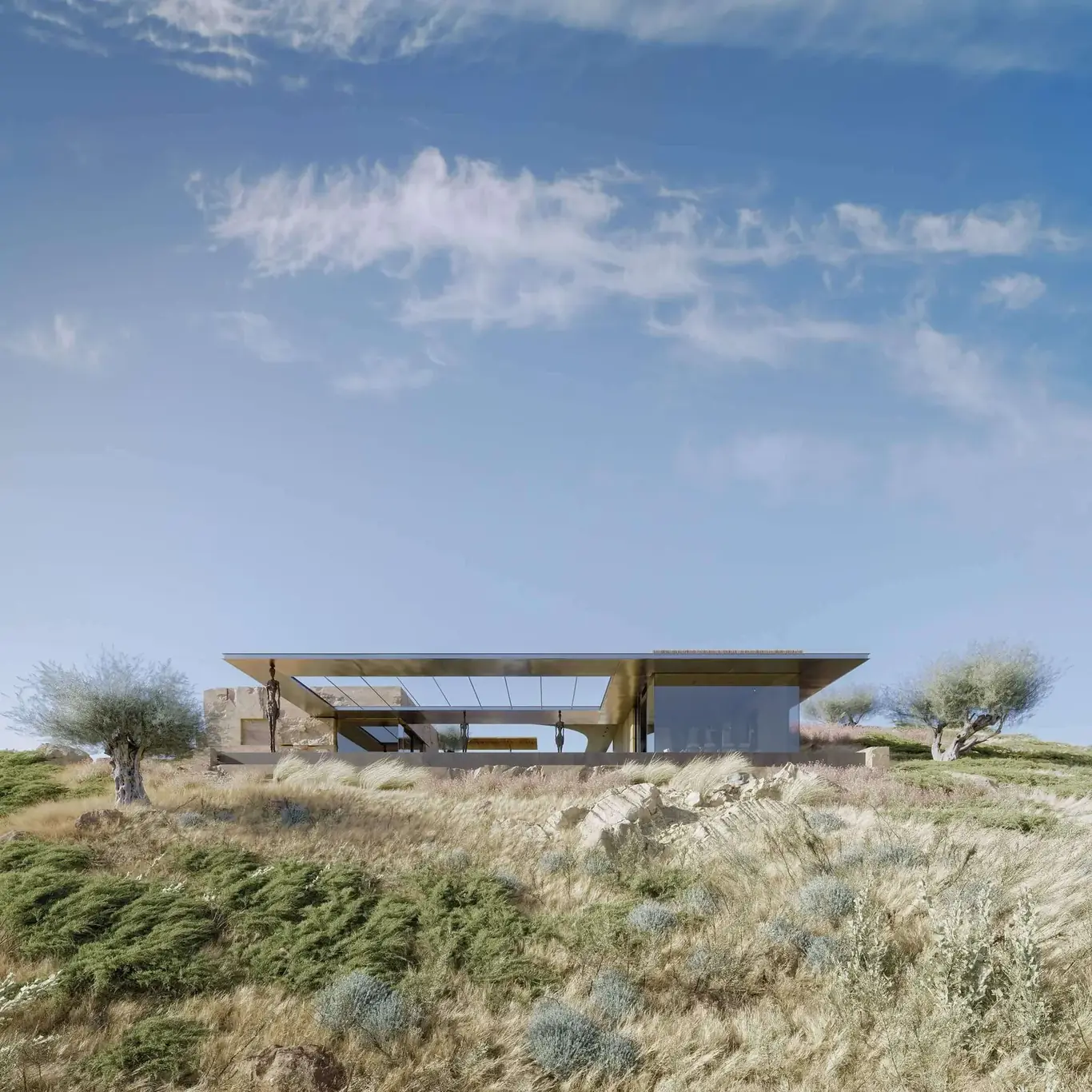
Most homeowners encounter 3D rendering in one of two ways: their architect or designer produces renders as part of their design service, or they discover it independently when facing a high-stakes design decision and realizing they can't visualize what they're about to spend money building. The second scenario — discovering rendering mid-project — is almost always more expensive than commissioning it from the start, because by the time a homeowner realizes they can't picture the finished result, some decisions have already been made and some materials already ordered.
This guide explains when homeowners actually need 3D rendering, what each project type benefits from, the specific value of rendering for renovation versus new construction, and what to expect on cost when you're commissioning as a homeowner rather than a developer.
The Core Value of Rendering for Homeowners
For developers and architects, the primary value of rendering is stakeholder communication — showing investors, planning boards, or clients what a building will look like. For homeowners, the primary value is something different: it's the ability to make an irreversible decision (tile selection, kitchen layout, exterior paint color, room addition footprint) with confidence rather than hope.
Construction is mostly irreversible. Once the cabinets are installed, the tile is grouted, or the addition framing is up, changes are expensive. A rendering that shows you the kitchen with the dark countertop and light cabinet combination you're considering costs $400–$800 and takes a week. Discovering after installation that you don't like how it looks costs far more in time, money, and frustration. The calculus is straightforward for projects above a certain budget threshold.
In my experience, homeowners who invest in rendering before major renovation decisions are less likely to request changes during construction — not because they're more decisive, but because they've already made the decisions in a low-stakes environment and arrived at construction with clear, confident specifications.
When Homeowners Most Need Rendering
Kitchen and bathroom renovation: These are the highest-stakes finish decisions in any home — multiple material choices (countertop, cabinet, backsplash, flooring, fixtures) that interact with each other visually and with the existing architecture. A render showing the finished kitchen with your specific tile choice, cabinet color, and countertop material is the most efficient way to evaluate these interactions before anything is ordered or installed. This is also the context where renders prevent the most common expensive mistake: choosing finishes individually that don't work together once combined in the actual space.
Home addition or extension: Adding square footage to an existing house involves decisions about massing, materials, and the relationship between old and new that are very hard to evaluate from floor plans and elevations alone. An exterior render showing how the proposed addition reads from the street, and interior renders showing how the new space connects to the existing house, help homeowners understand what they're buying before committing to a construction contract. These are also the renders most useful for contractor bidding — a clear visual specification reduces scope ambiguity and contractor pricing variations.
New custom home: Building from scratch involves more decisions over a longer timeline than any other residential project. Custom home clients often commission rendering at design development stage to evaluate floor plan alternatives, exterior material options, and interior finish concepts before construction documents are finalized. This is also the stage where rendering helps evaluate the design against the budget — seeing the house fully realized in render form sometimes reveals that the design has gotten more elaborate than the budget supports.
ADU or garage conversion: As discussed in our ADU rendering guide, accessory dwelling units present specific visualization challenges. For homeowners, the key decisions are how the ADU relates to the main house and whether the interior design works for the intended use (rental, family use, home office).
Exterior renovation (re-cladding, new windows, paint color): The exterior of a house is its permanent public face, and exterior renovation decisions are highly visible and expensive to reverse. Paint color is the most common request — seeing a full exterior render with three or four color options side by side is dramatically more useful than looking at paint chips. Cladding material changes (replacing stucco with board-and-batten, adding stone veneer) are even more important to visualize because the commitment is much higher.
What Each Type of Homeowner Render Shows
Interior render: Shows a specific room or space with finished materials, furniture, and lighting. This is what most homeowners think of when they think "rendering." Used for kitchens, bathrooms, living rooms, master bedrooms, and any space where finish selection decisions are being made. The most useful views show the room from a position that captures as much of the space as possible while communicating the finish quality clearly.
Exterior render: Shows the facade, landscaping, and street context of the home. Used for additions, re-cladding, paint color decisions, window replacement, and any project that changes the external appearance. If the addition will be visible from a specific vantage point (the front street, the neighbor's garden), the render should be composed from that viewpoint.
3D floor plan: A top-down furnished view of a floor that shows spatial organization at a glance. More useful than a standard architectural floor plan for evaluating room flow, furniture fit, and layout alternatives. Particularly valuable for open-plan spaces where the relationship between kitchen, dining, and living needs to be evaluated as a whole. See our 3D floor plan guide for format options.
Before and after composite: A side-by-side or toggle view showing the existing space (photographed) alongside the proposed design (rendered). Highly effective for renovation projects where the homeowner needs to evaluate how much the space will change and whether the investment is justified visually.
Working with a Rendering Studio as a Homeowner
Homeowners briefing a rendering studio for the first time often make the same mistakes: providing too little design information, not knowing what to ask for, or expecting the studio to make design decisions that should be made by the homeowner or designer first.
The most important thing to understand is that a rendering studio is a production facility, not a design firm. They produce accurate visualizations of design decisions that have already been made — they don't make design decisions on your behalf. If you provide vague direction ("make it look modern and warm"), the studio will interpret that direction, but the result may not match what you had in mind. The more specific your brief — specific tile catalog reference, specific paint color code, specific cabinet style — the more accurately the render will represent the finished result.
What to include in a homeowner render brief:
- Floor plan with accurate dimensions for the space being rendered
- Photographs of the existing space if it's a renovation, so the studio understands what's staying
- Specific material selections with catalog references or images — not "light wood," but "white oak in natural finish"
- Furniture style and scale references — images of furniture you're considering, or in the same style
- Ceiling height — critical for interior renders
- Window locations and sizes — determines natural light direction and quality
- Reference images of spaces that feel like what you're aiming for
For more on preparing a brief, see our guide on how to brief a rendering studio.
Pricing for Homeowner Renders
| Project Type | Views Needed | Typical Cost |
|---|---|---|
| Kitchen renovation | 1–2 interior views | $399–$900 |
| Bathroom renovation | 1 interior view | $349–$699 |
| Home addition (exterior) | 1–2 exterior views | $599–$1,400 |
| Full custom home package | 3–6 views | $1,500–$4,000 |
| Exterior repaint / re-clad | 1–2 exterior views | $499–$1,000 |
For full pricing details, visit our rendering pricing page. Our interior rendering and exterior rendering services are available for homeowners at the same quality level as developer and architect projects.
Planning a Home Project?
Share your floor plan and material ideas — we'll scope a render package and respond with pricing within 2 hours.
Request a Free Estimate