Healthcare architecture has unusually demanding visualization requirements. A hospital or medical facility project involves a larger and more diverse group of stakeholders than most building types — clinical staff who need to evaluate functional layout, administrators who need to present to funding boards, regulators who need to review compliance, and donors or public stakeholders who need to understand what their investment will produce. Each group has different visual literacy and different information needs from the same building design.
In my experience, healthcare projects also have longer design and approval timelines than most other building types, which means renders produced for early stakeholder alignment often need to remain useful for 18–36 months without becoming outdated. That creates specific requirements for how the brief is structured and how closely renders track the evolving design.
This guide covers the key spaces to render in healthcare facilities, how to approach briefing for different stakeholder groups, the specific visual considerations that make medical facility rendering distinct, and what to expect on pricing.
Why Healthcare Facility Rendering Is Different
Healthcare rendering differs from standard commercial or residential work in several important ways:
Functional legibility matters as much as aesthetics. In a luxury residential render, the primary goal is emotional impact — aspirational, beautiful, livable. In a hospital render, clinical staff and administrators are reading the image for functional information: is the nursing station in line-of-sight to patient rooms? Does the corridor width look adequate for stretcher traffic? Are the emergency egress paths logical? The render needs to support both aesthetic judgment and functional evaluation simultaneously.
The patient experience lens. Healthcare design is increasingly governed by evidence-based design principles — research showing that specific environmental features reduce patient anxiety, improve recovery outcomes, and reduce staff error rates. Natural light in patient rooms, clear wayfinding, a calming reception environment, access to outdoor views — these are design choices with documented outcomes. Renders should demonstrate these features explicitly, not just show a photorealistic room.
Regulatory compliance visualization. Many healthcare projects require visualization for regulatory approvals — state health department reviews, ADA compliance documentation, or fire marshal submissions. These renders need to be accurate to the technical design, not idealized or aspirational. Briefing for regulatory renders is different from briefing for donor or marketing renders of the same project.
Key Spaces to Render in Healthcare Facilities
Main entrance and lobby / reception: The first patient contact point. This view is used in virtually every external communication about the facility — donor campaigns, community outreach, press releases, and planning submissions. It needs to communicate welcoming atmosphere, clear wayfinding, and quality of construction without looking clinical or institutional. For new hospital buildings and major expansions, the lobby render is often the primary public-facing image for years before construction completes.
Patient rooms: Individual patient room renders are used for donor presentations, planning submissions, and staff engagement. They should demonstrate natural light quality, room layout, nurse call and monitoring system positions, and the materials and finishes that define the patient's immediate environment. For specialized departments — pediatrics, oncology, maternity — the room renders need to reflect the specific design intent for those patient populations.
Nursing stations and staff areas: Clinical staff are key stakeholders in healthcare design, and renders showing nursing stations, staff corridors, and clinical support spaces help engage them in the design process before construction. These views often surface functional concerns — a nursing station that looks too distant from patient doors, a corridor that reads as too narrow for equipment passage — that are better caught at render stage than at construction stage.
Waiting areas and family spaces: Patient-centered healthcare design places significant emphasis on the comfort of family members accompanying patients. Waiting room renders showing natural light, comfortable seating, access to outdoor views, and calming materials are used in both donor communications and in community planning engagement.
Specialty clinical spaces: Operating theaters, imaging suites, emergency departments, and rehabilitation areas each have specific design requirements that benefit from dedicated visualization. These renders are most useful for clinical leadership engagement — showing the surgical team the planned OR layout, or the radiology department the new imaging suite, before the clinical staff's window to influence the design closes.
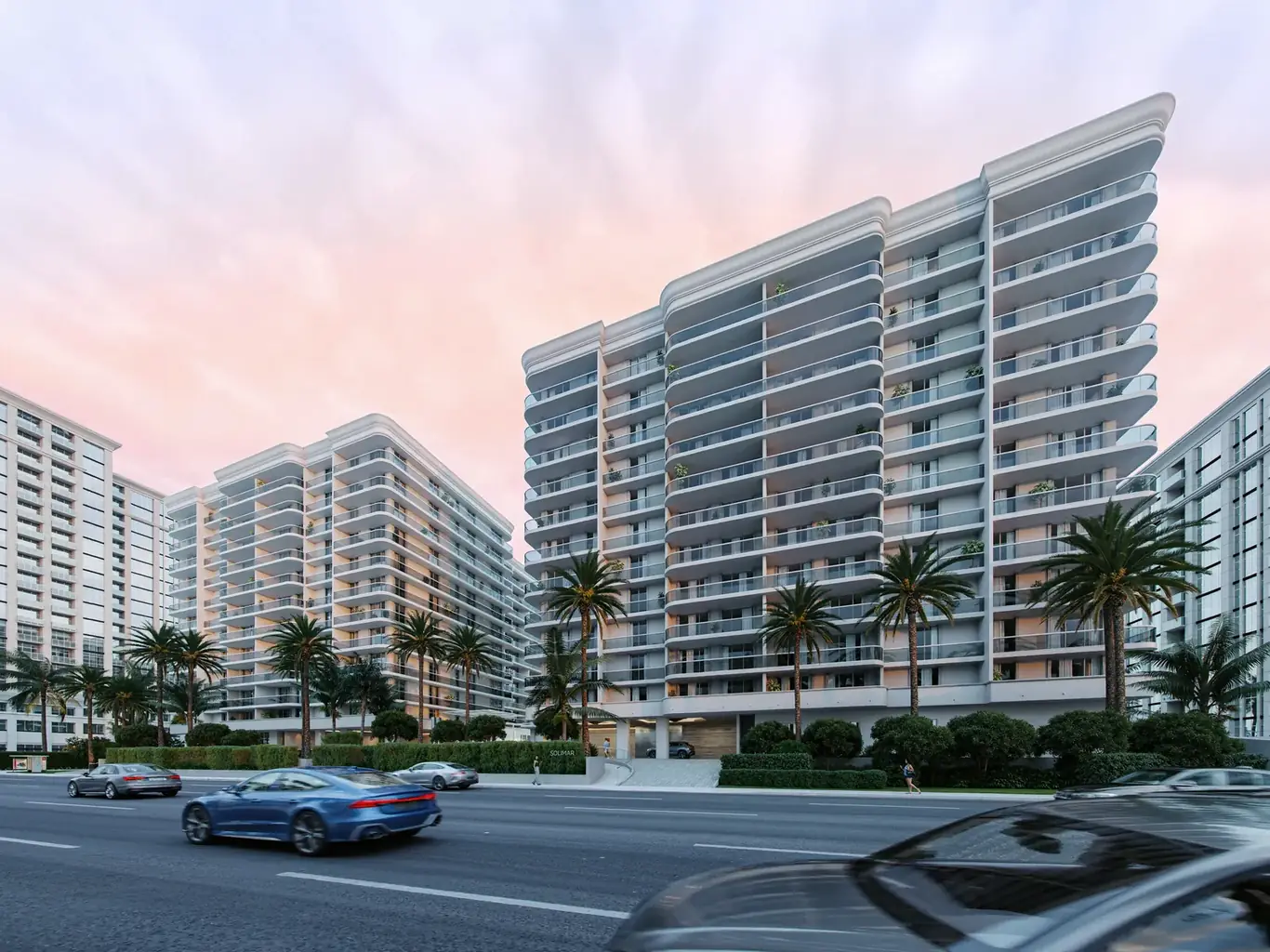
Building exterior: The exterior render communicates the architectural identity of the facility — how it reads from the street, how it fits into the neighborhood, how it signals the institution's brand and values. For major hospitals in urban settings, this is a critical planning and community relations asset.
Stakeholder-Specific Rendering Approaches
The same building can require differently briefed renders for different audiences. In healthcare projects, I recommend organizing the render brief around stakeholder groups rather than just space types:
Board and donor presentations: High-quality photorealistic renders with aspirational staging. Natural light maximized, materials shown at their best, human figures showing patient and staff interactions. These renders need emotional impact first, functional accuracy second. They're the renders that appear in capital campaign brochures and institutional communications.
Planning and regulatory submissions: Accurate, context-correct renders at specified viewpoints. Materials as specified, massing accurate, neighborhood context correctly shown. No aspirational manipulation of light or atmosphere. Include photomontage composites showing the building inserted into existing site photography when required by the planning jurisdiction.
Clinical staff engagement: Interior renders with accurate scale, correct equipment placement, and visible workflow considerations. These renders may be less polished than donor renders — the audience is evaluating functional layout, not aesthetics. Grey-box or schematic-level renders are sometimes sufficient for early clinical staff engagement, reserving the full photorealistic treatment for the communications phase.
Community and public engagement: Exterior views and key public interior spaces at a level of quality that communicates institutional credibility. Often used in community newsletters, public meetings, and project websites. Need to read well at web resolution and in print.
Pricing and Timeline
Healthcare facility renders are priced similarly to equivalent commercial renders, with some premium for spaces that require accurate equipment placement or specialized furnishing.
| Space Type | Price Range | Delivery |
|---|---|---|
| Exterior / building view | $799–$2,000 | 5–8 days |
| Lobby / reception interior | $599–$1,400 | 5–7 days |
| Patient room | $499–$1,000 | 4–6 days |
| Specialty clinical space | $799–$1,800 | 5–8 days |
| Aerial / site overview | $999–$2,500 | 7–10 days |
Large healthcare projects often involve 12–20 renders covering all major departments and external views, commissioned in phases as design documentation is resolved. Our interior rendering and exterior rendering services handle healthcare projects at all scales. For full pricing details, see our rendering pricing page.
Briefing a Healthcare Facility Render
Healthcare renders need more specific documentation input than standard commercial work. For each space being rendered:
- Architectural drawings: Floor plans, elevations, reflected ceiling plans — accurate at design development stage minimum
- Equipment list and positions: For clinical spaces, the position and type of major medical equipment affects both spatial planning and render accuracy
- Finish specifications: Flooring type (vinyl, tile, terrazzo), wall finish, ceiling system, millwork materials
- Lighting design: Ambient, task, and accent lighting types; kelvin temperature; key fixture positions
- Furniture and equipment specifications: Patient room furniture, seating types, nursing station configuration
- Stakeholder audience: Who is this render for? This affects art direction decisions from staging to lighting mood
For guidance on preparing a complete visualization brief, see our article on how to brief a rendering studio. For context on how healthcare facility visualization compares to other commercial building types, see our guide on commercial vs. residential rendering.
Working on a Healthcare Facility Project?
Share your drawings and stakeholder brief — we'll scope a visualization package and respond with pricing within 2 hours.
Request a Free Estimate